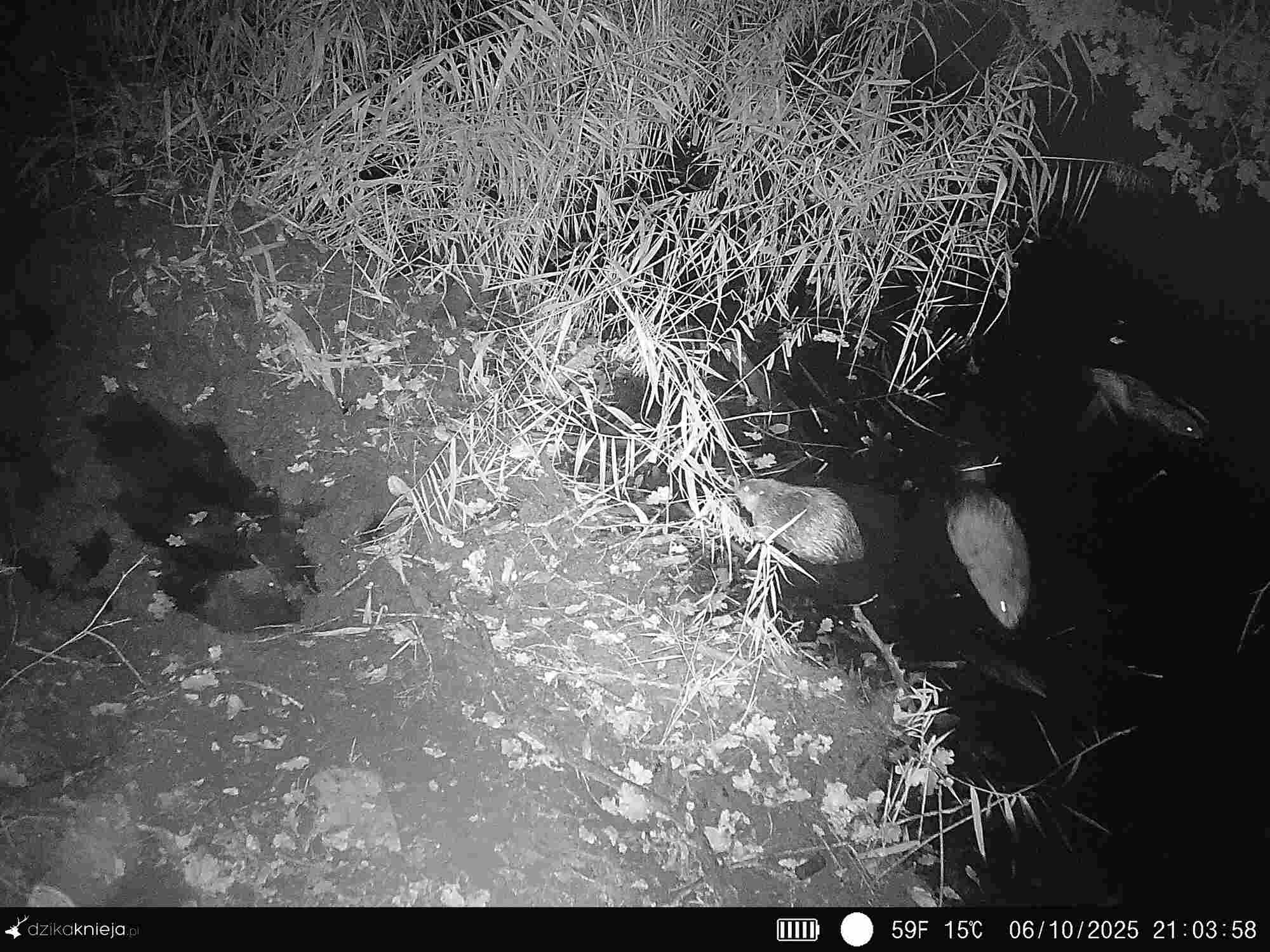
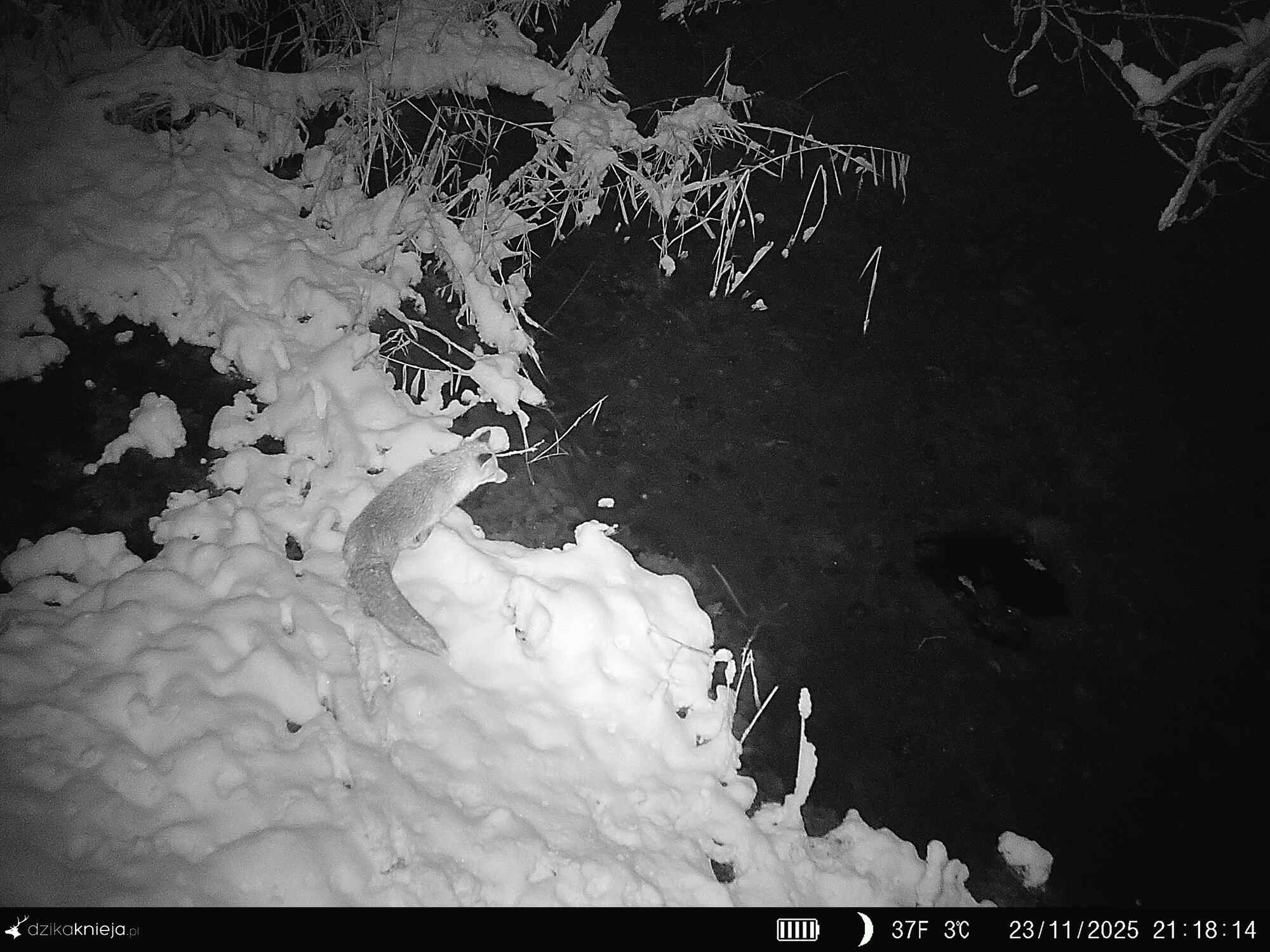
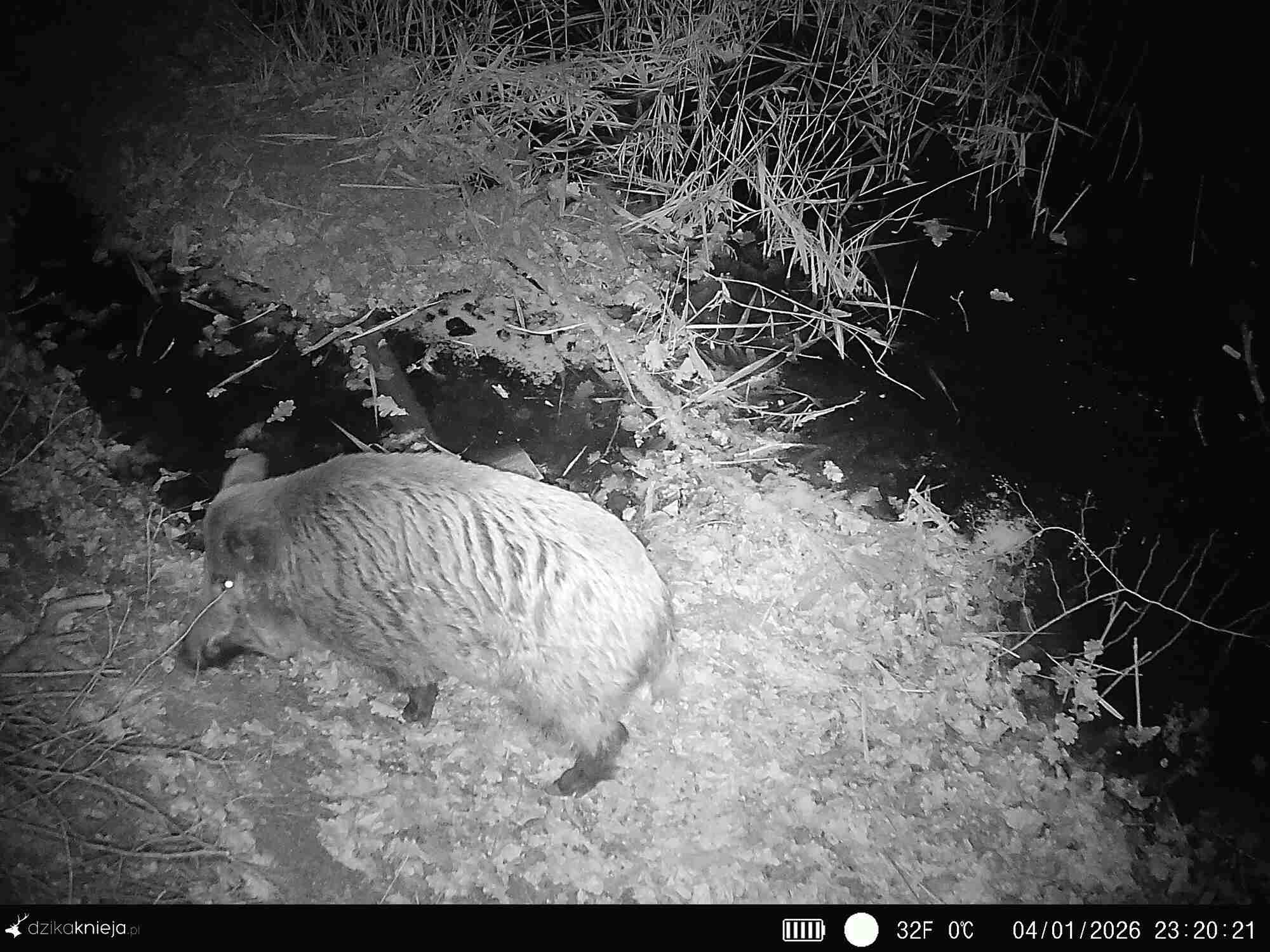
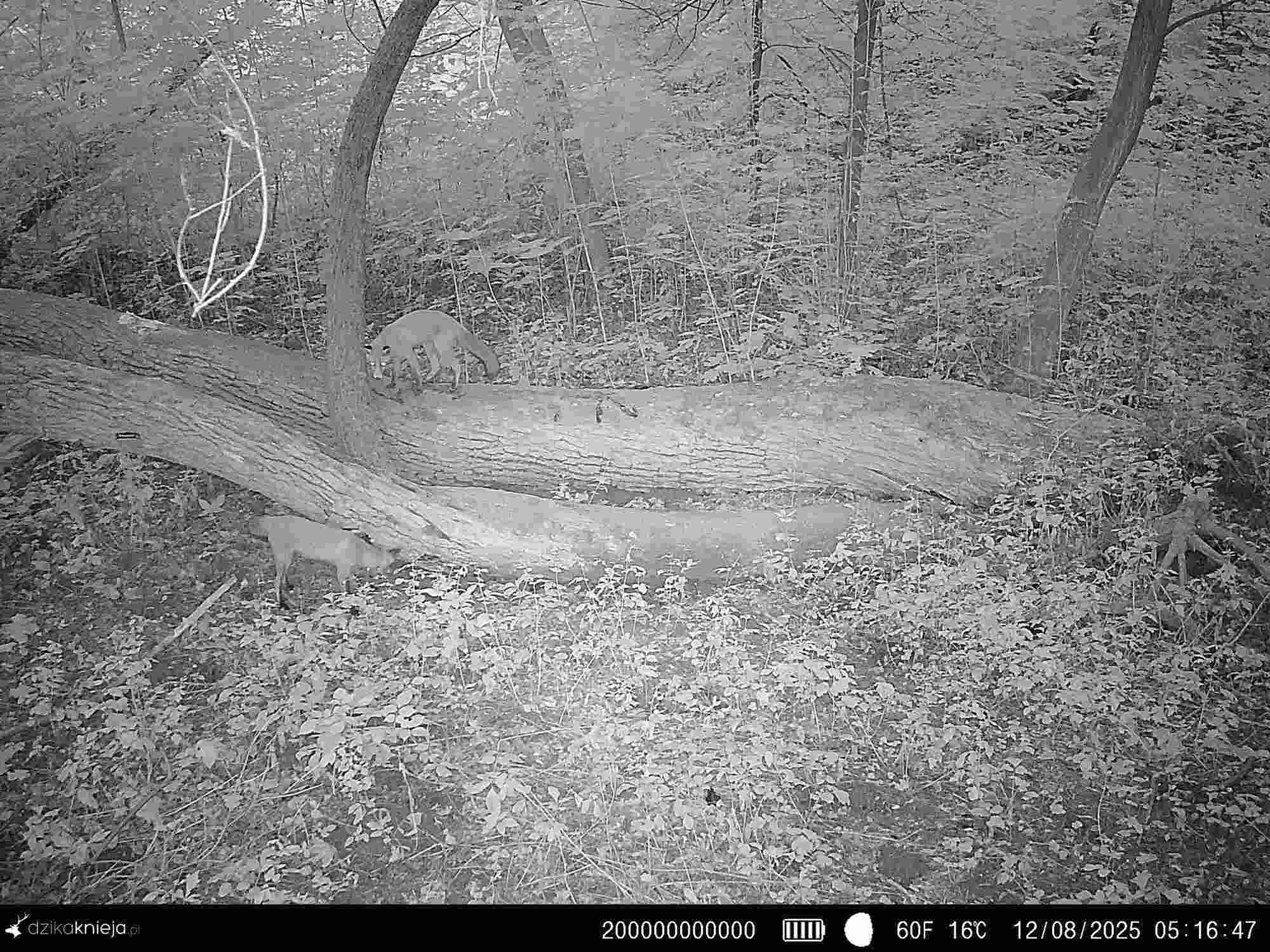
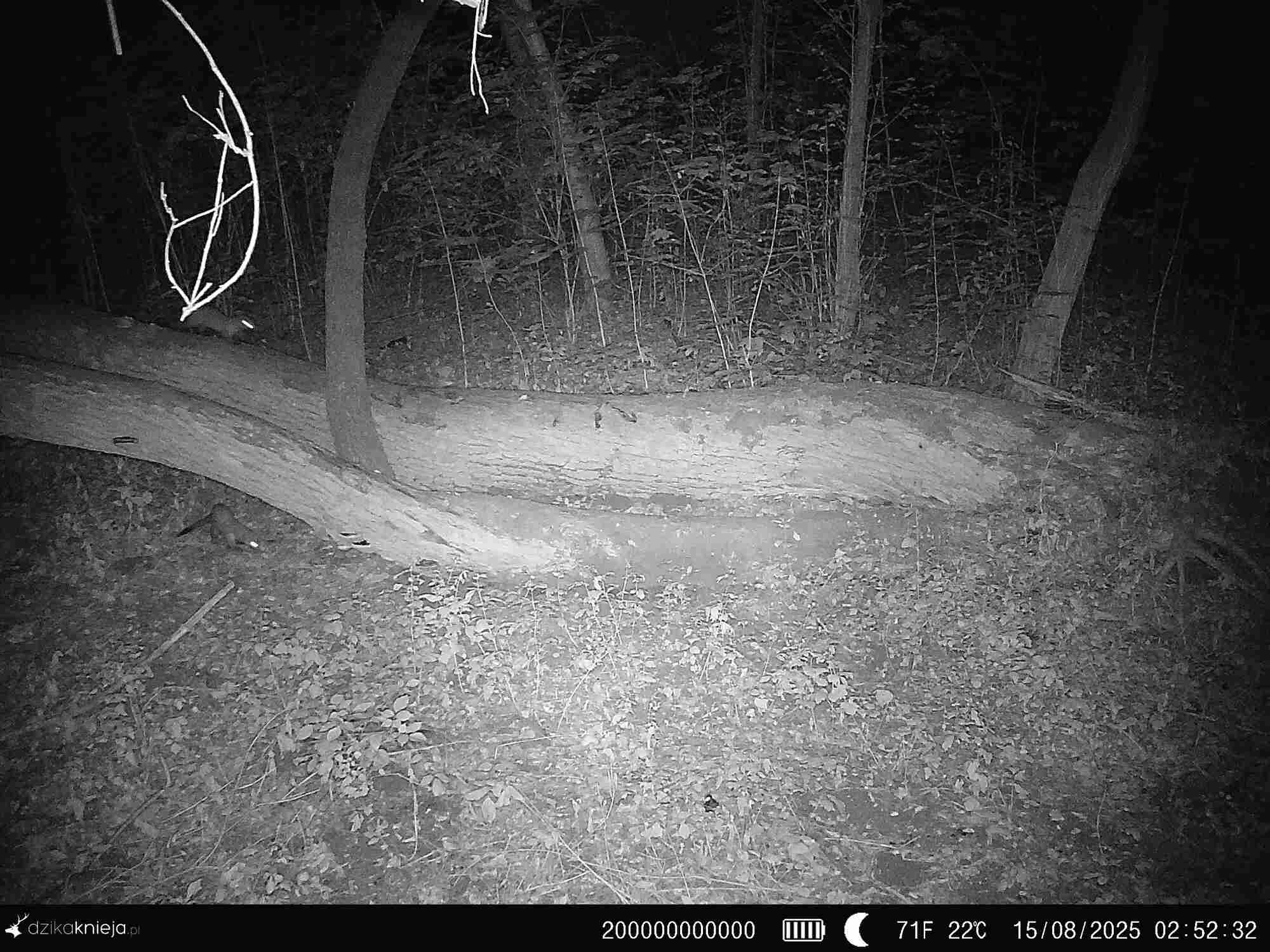
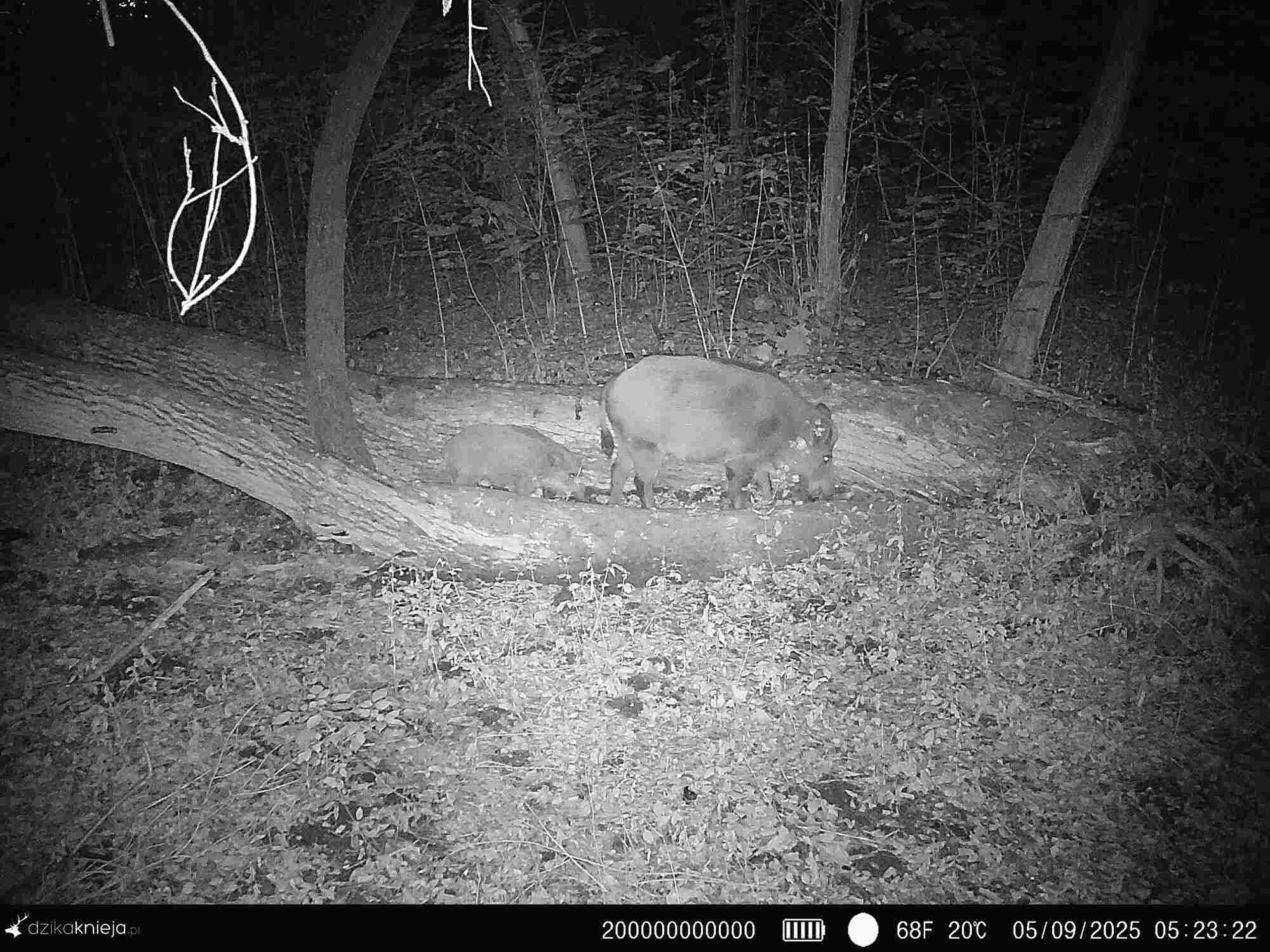
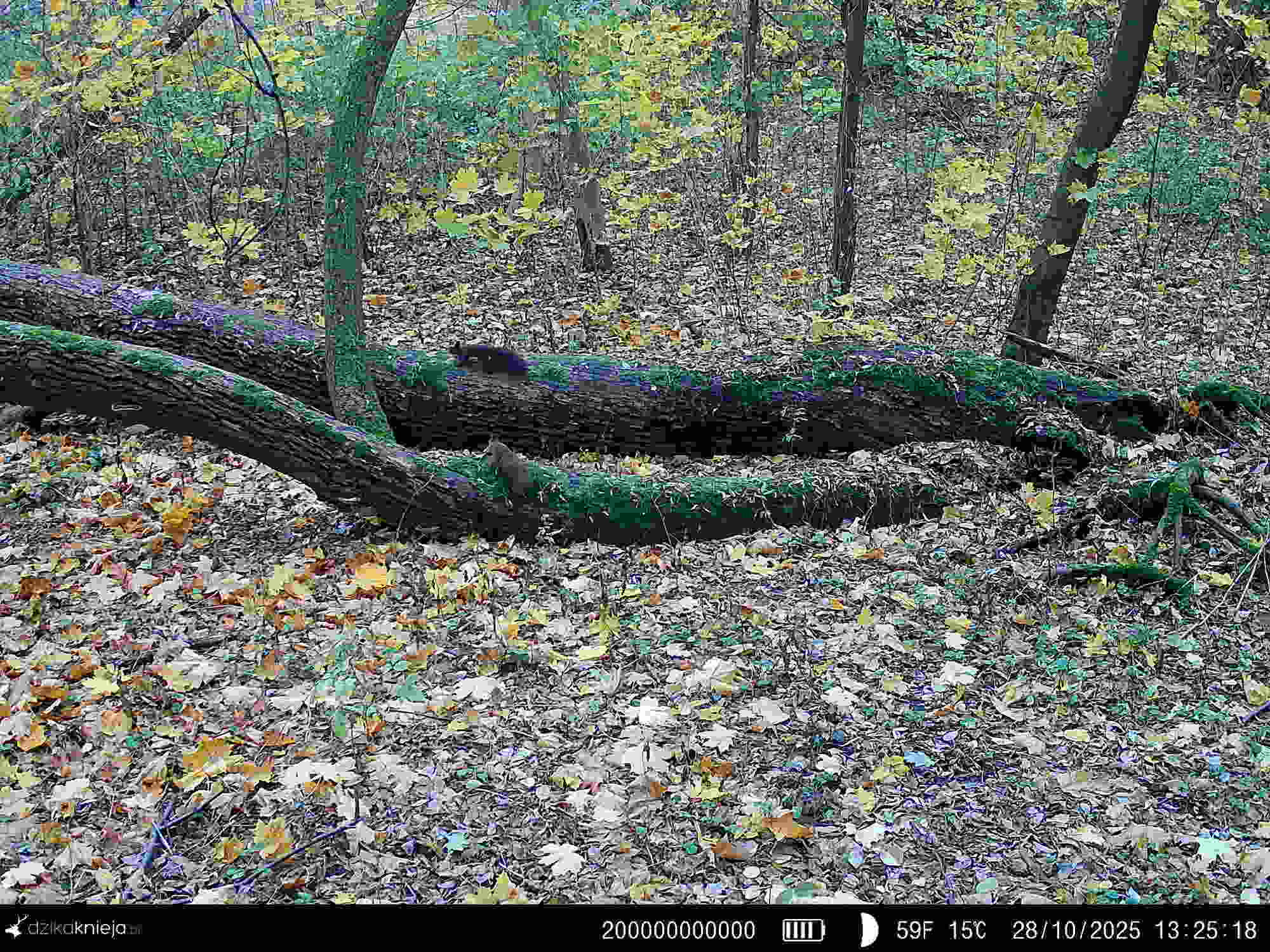
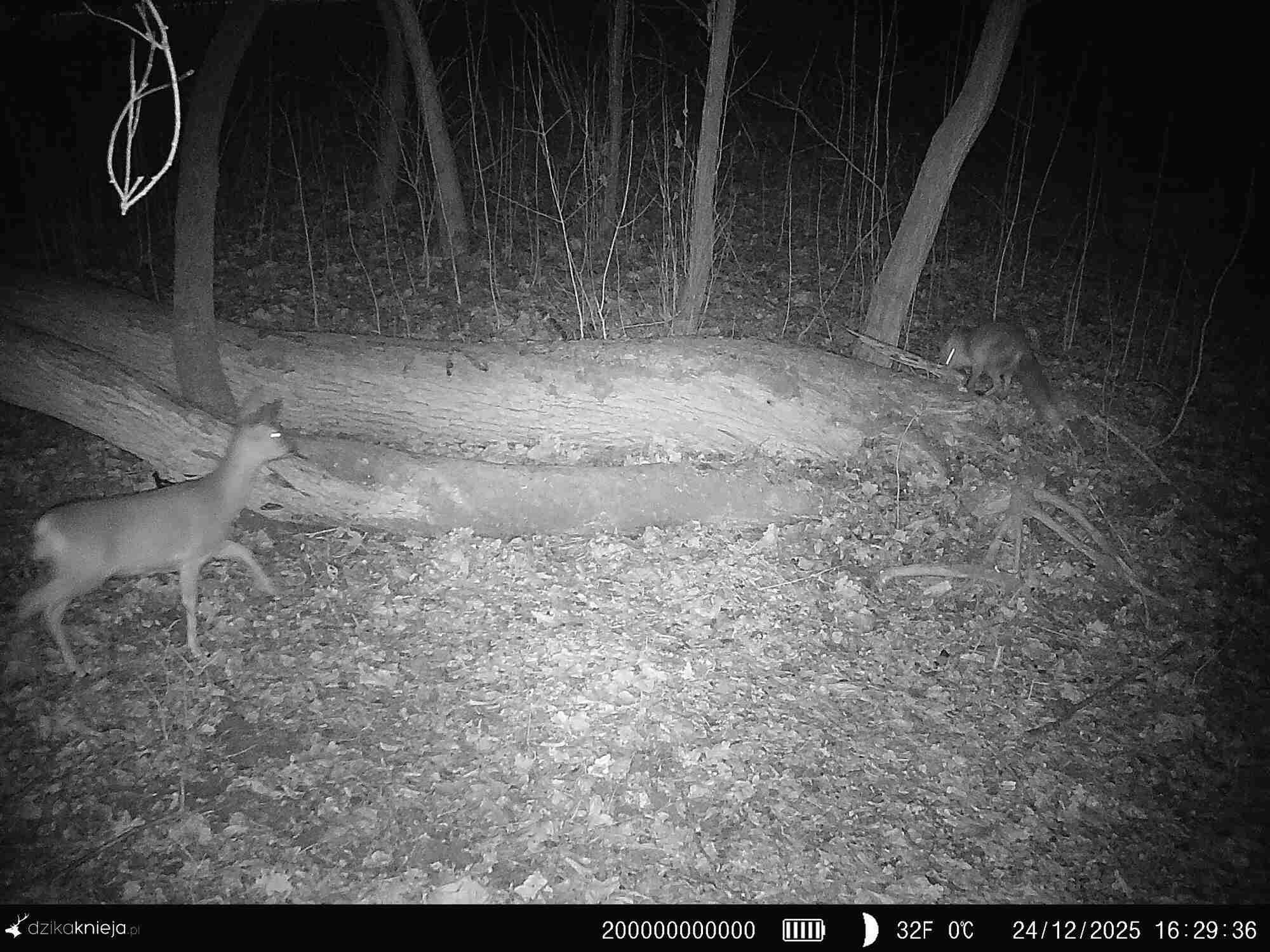
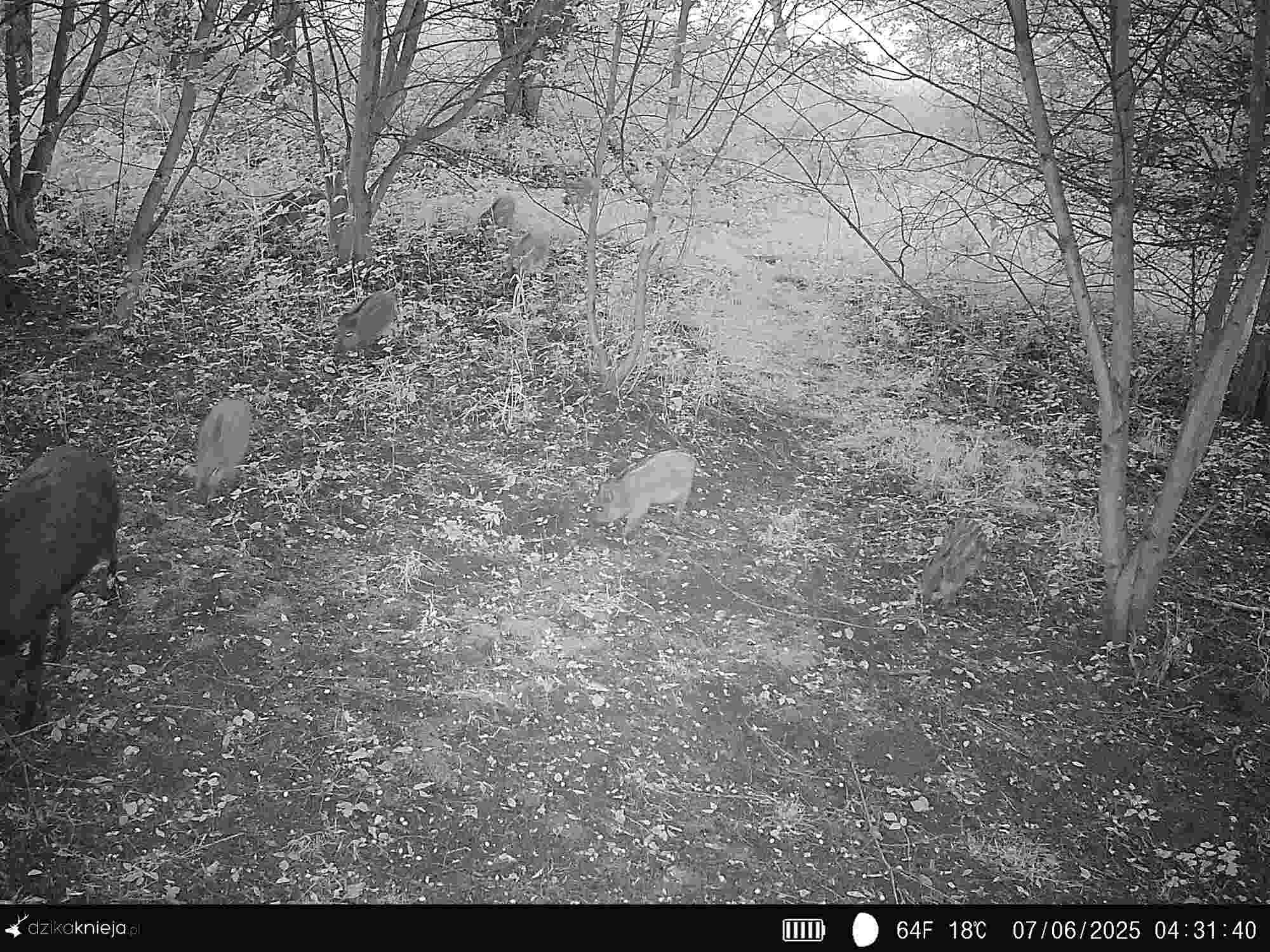
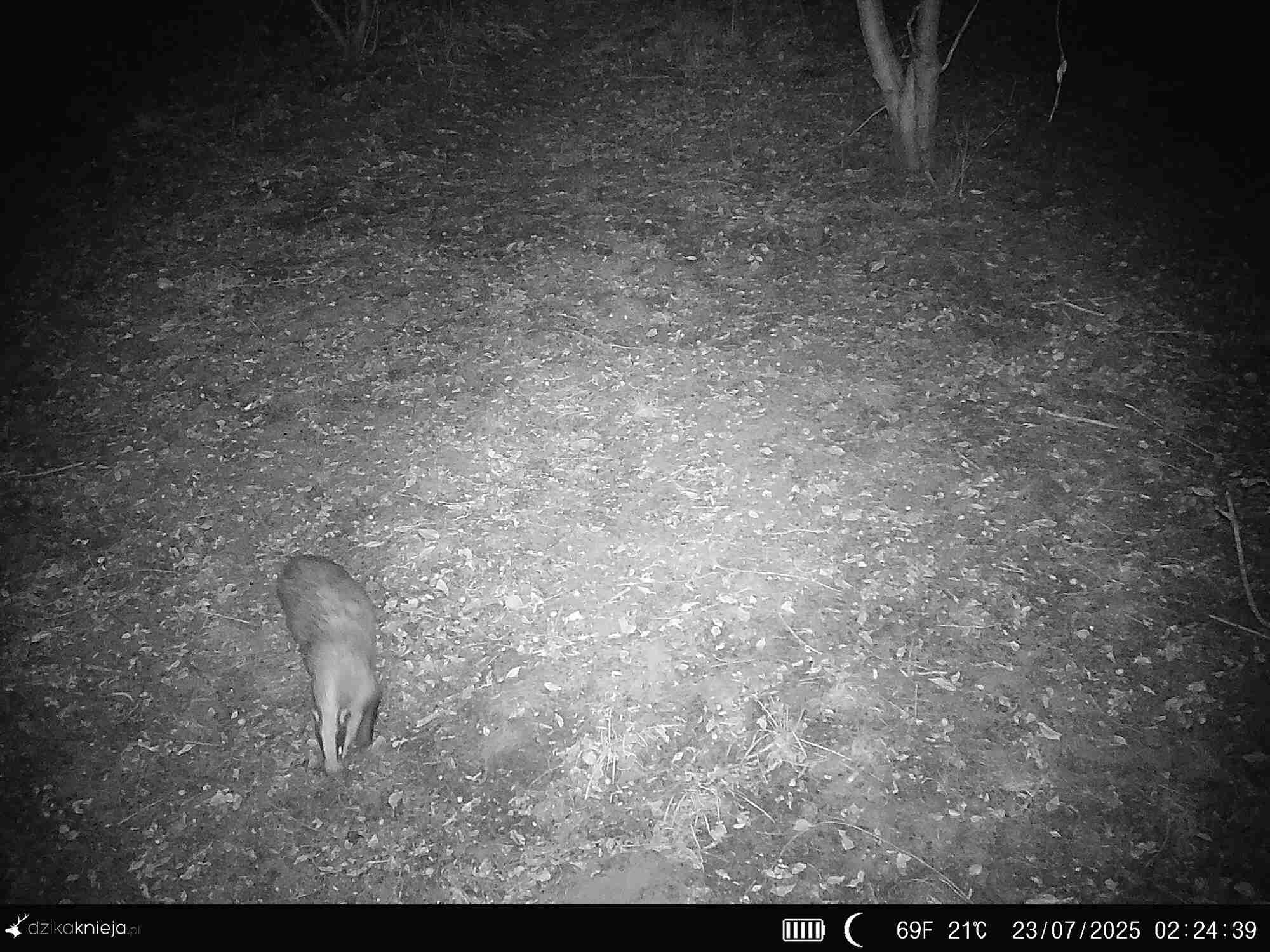
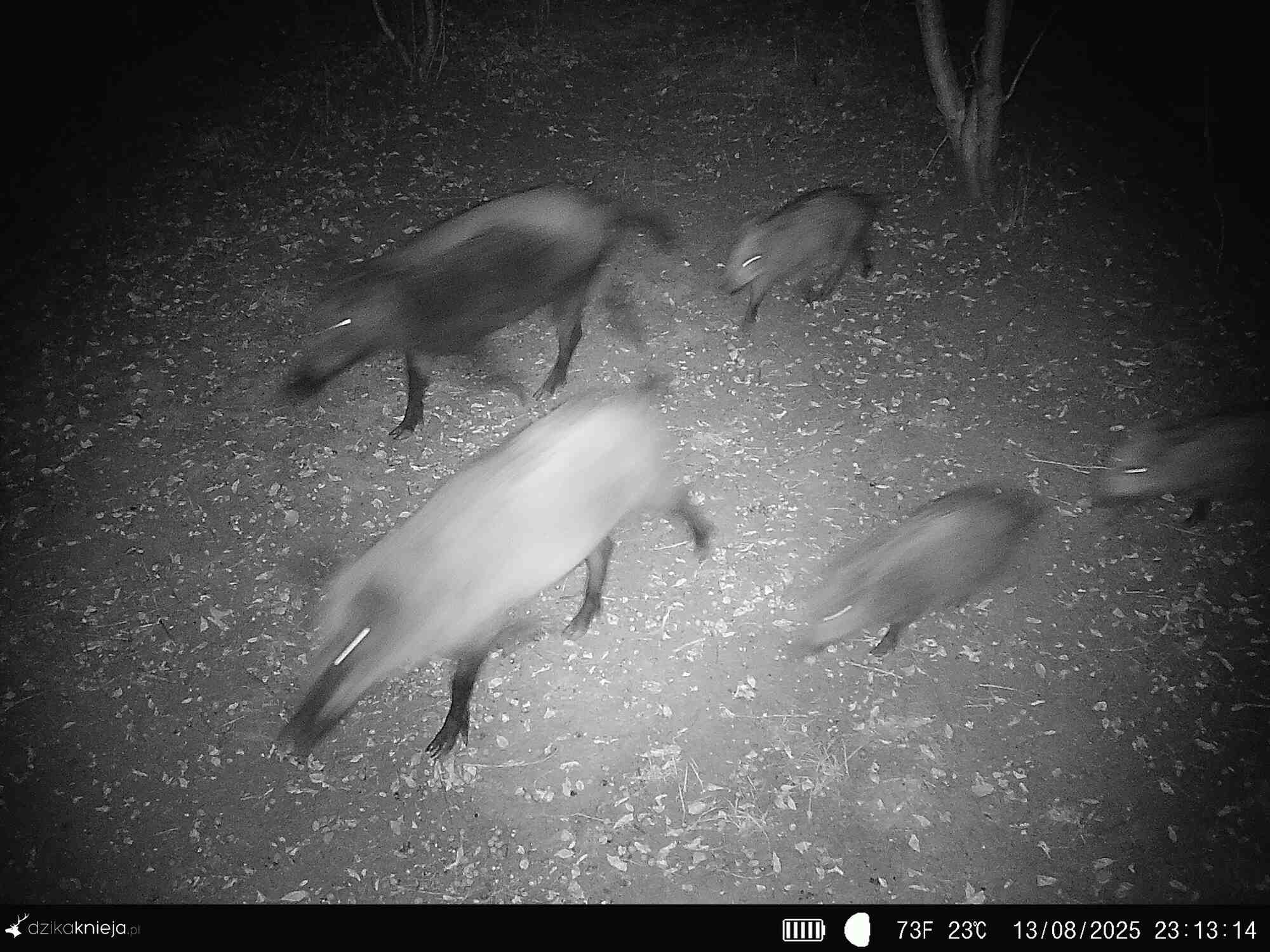
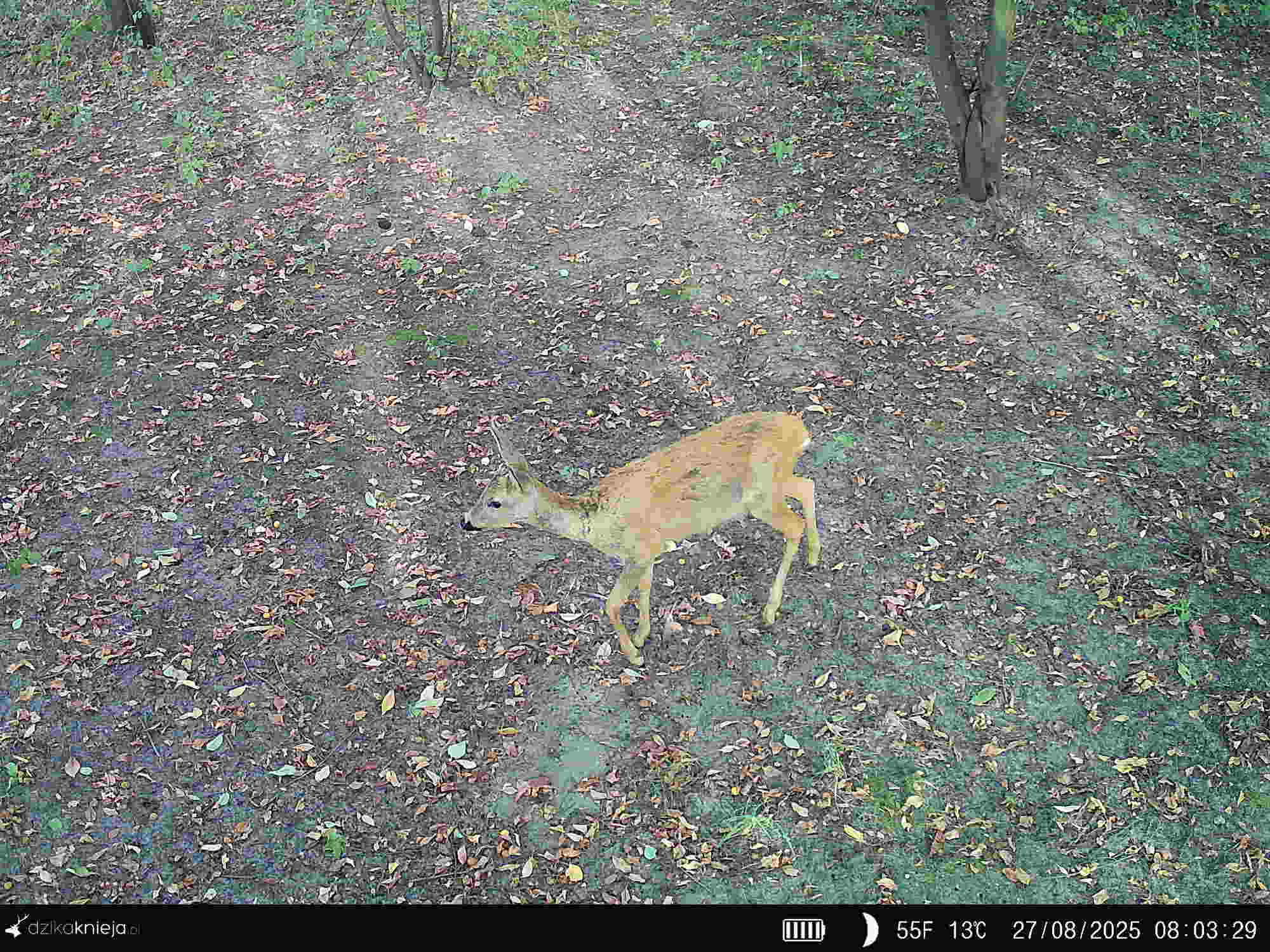
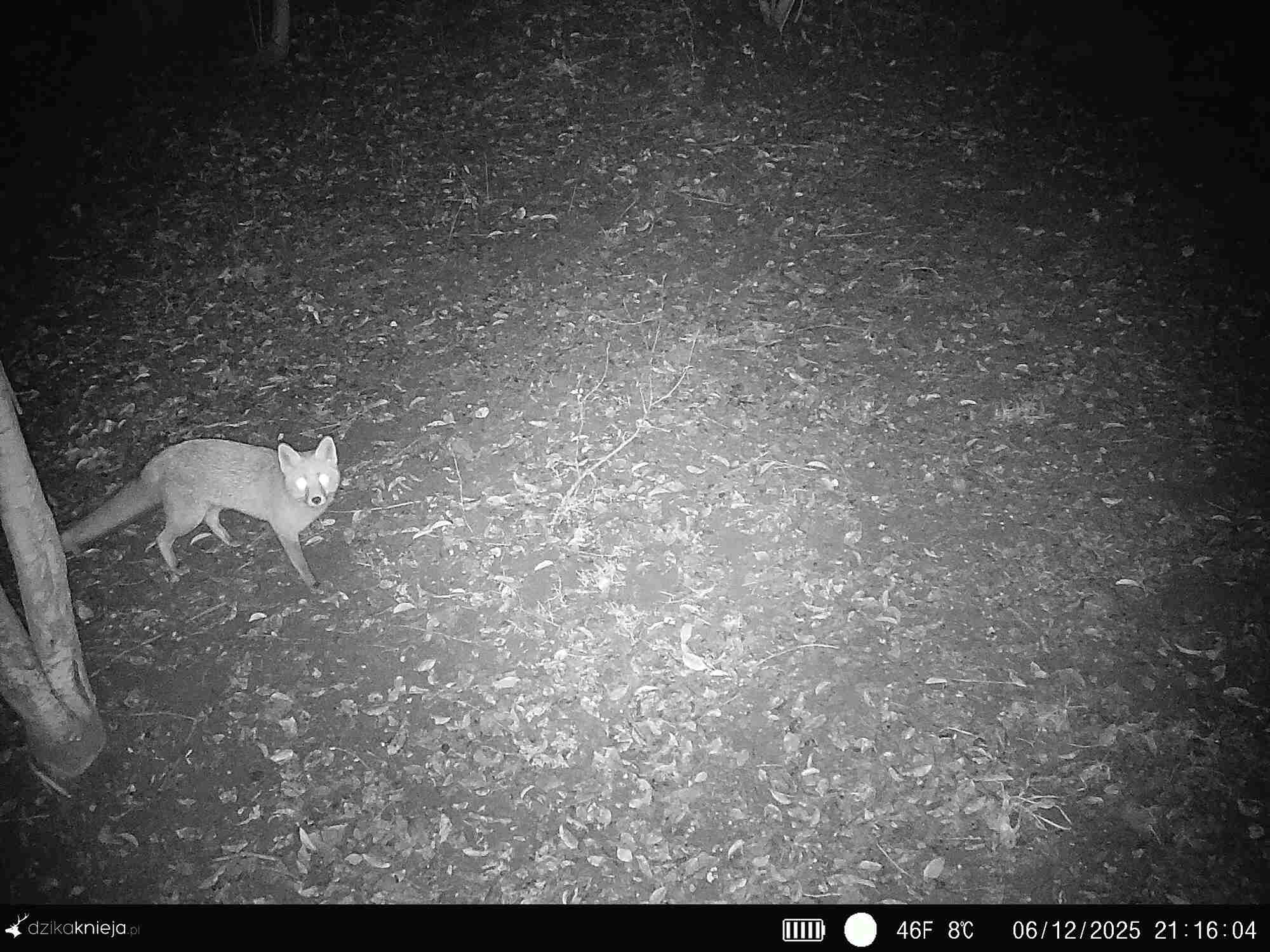
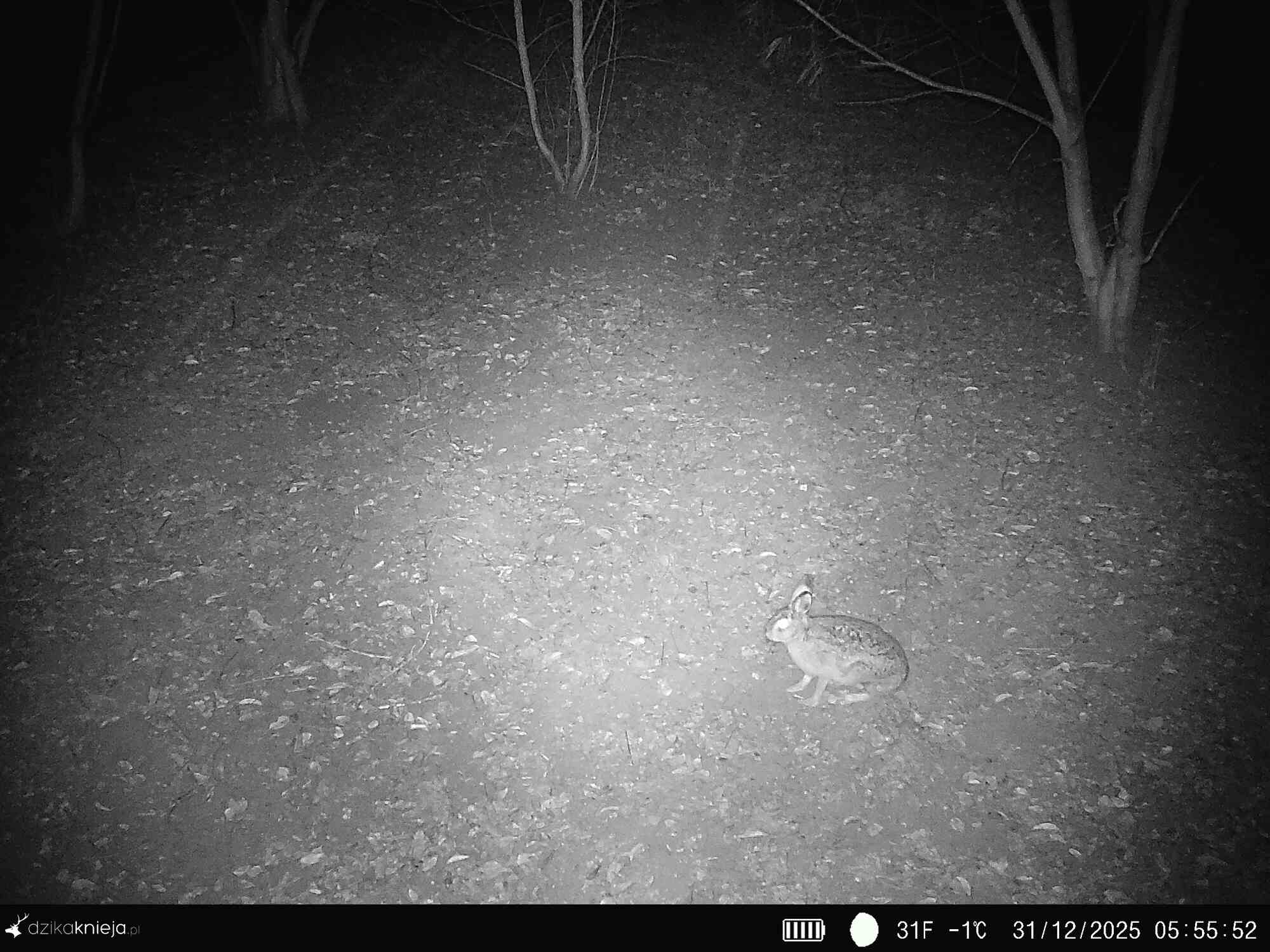
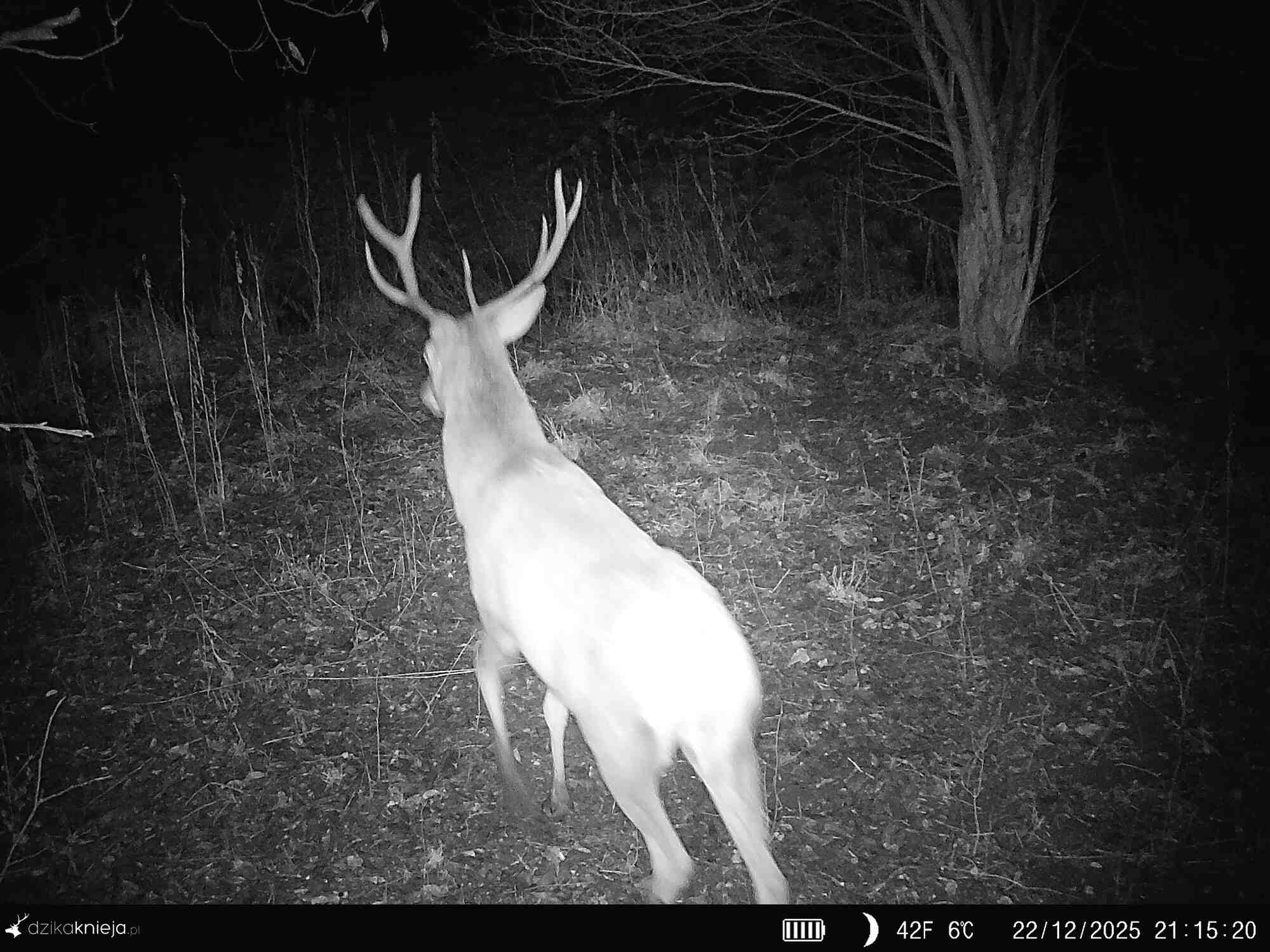
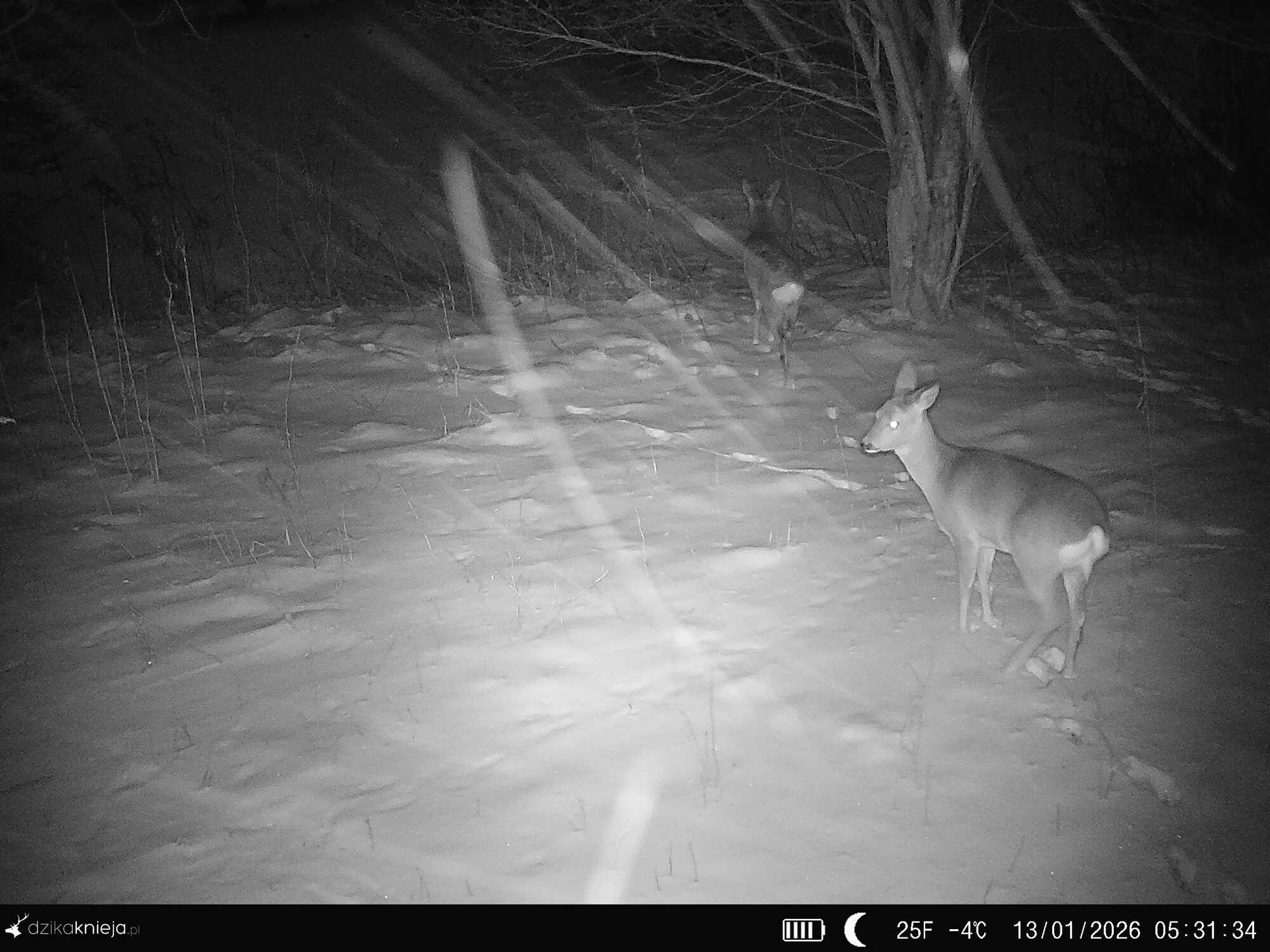
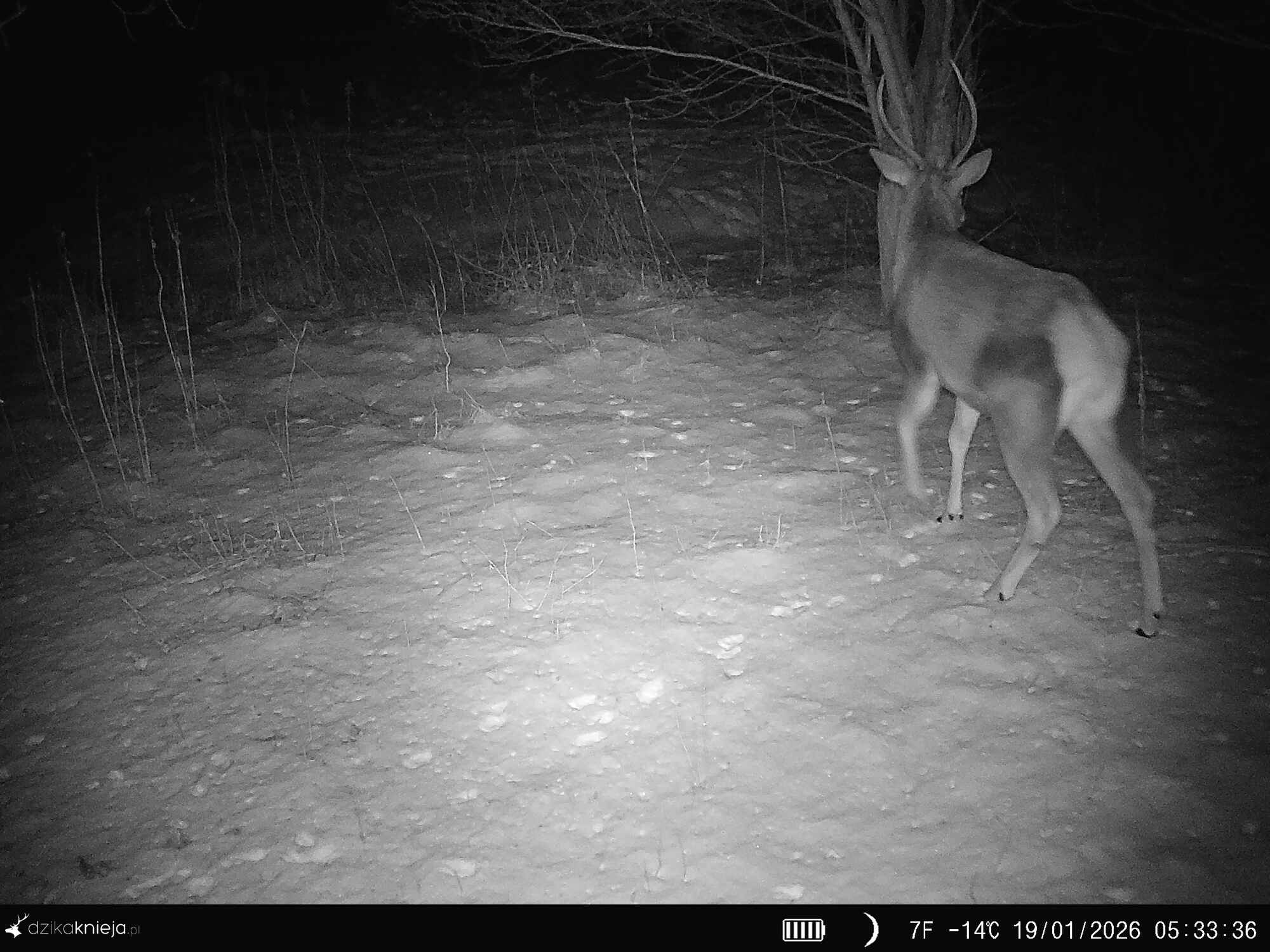
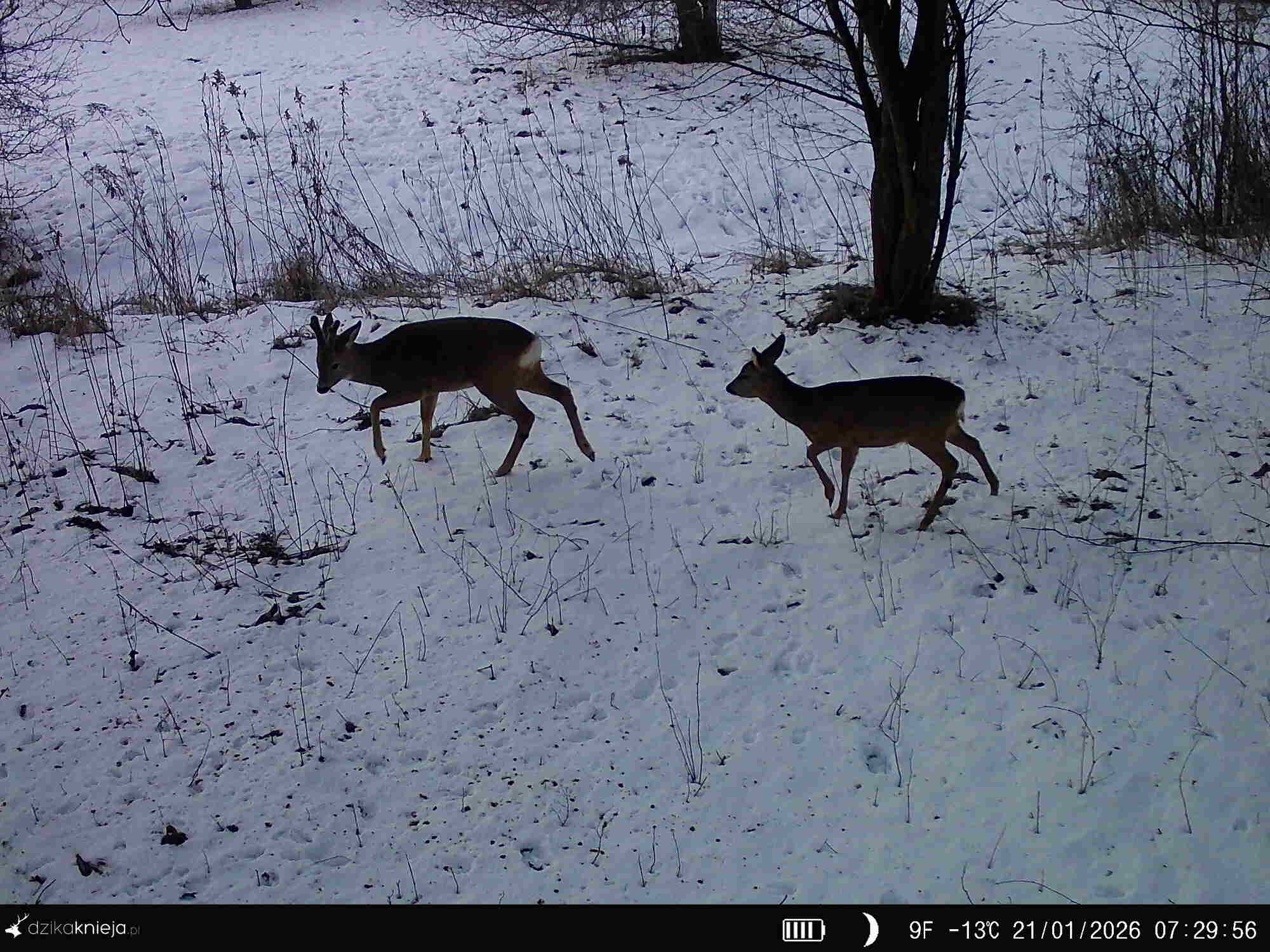
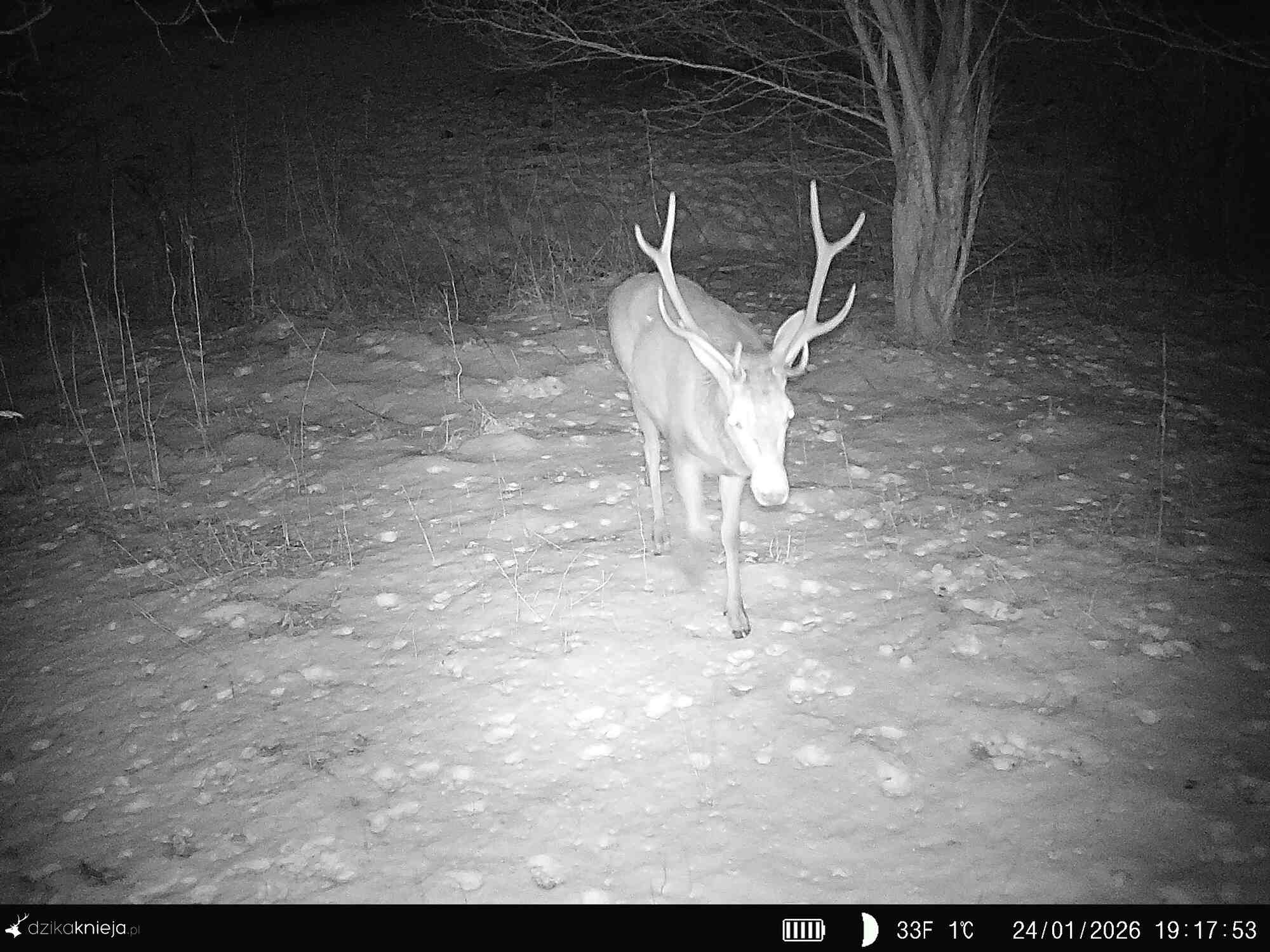
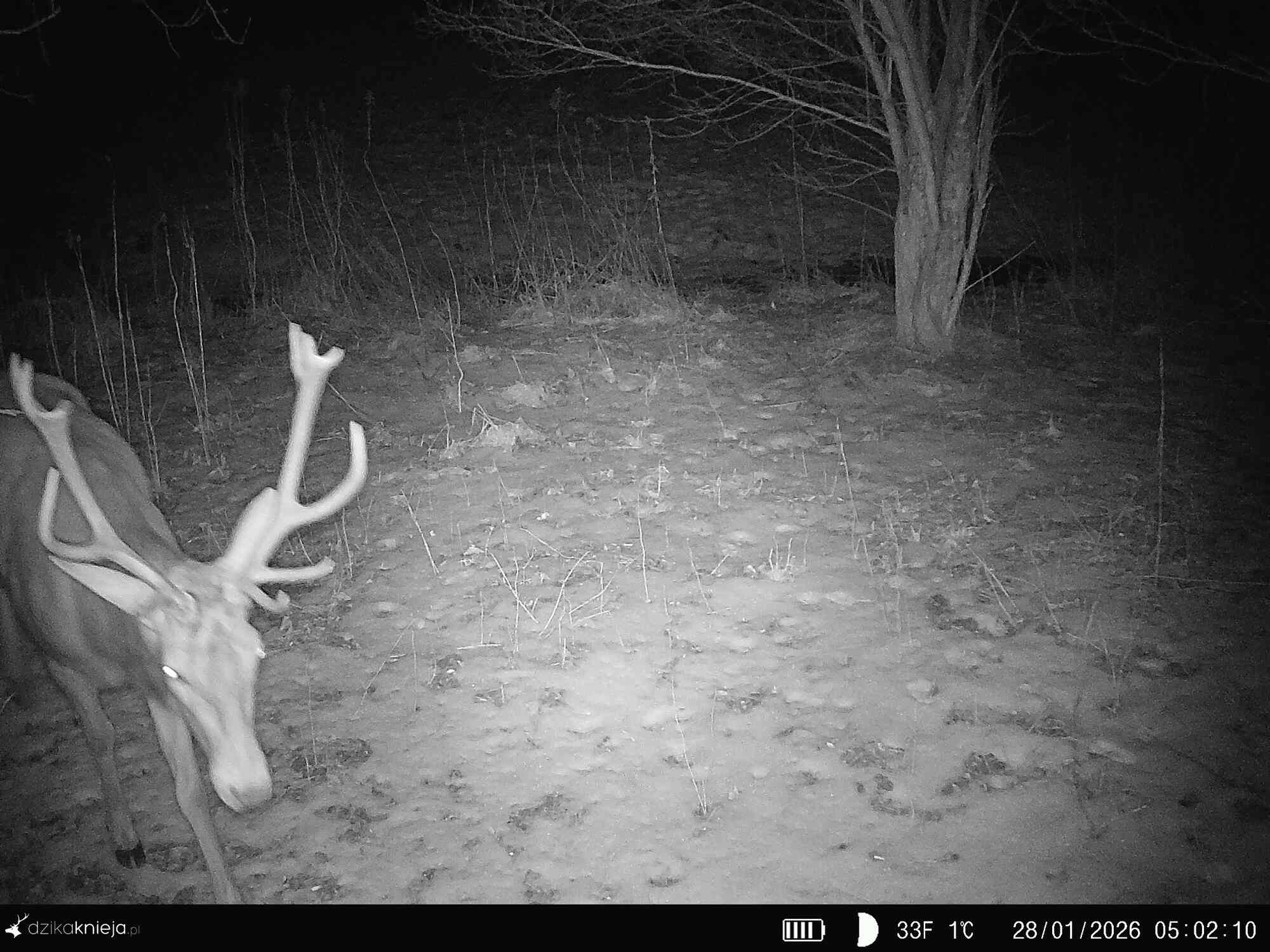
Monitoring of three Informal Green Spaces (IGS) — located in Borek Fałęcki, Bagry Ludwinowskie, and the Jagiellonian University Campus — revealed a diverse mammalian community. Identified species include the european roe deer (Capreolus capreolus), european red deer (Cervus elaphus), european hare (Lepus europaeus), european beaver (Castor fiber), eurasian red squirrel (Sciurus vulgaris), wild boar (Sus scrofa), red fox (Vulpes vulpes), eurasian badger (Meles meles), pine marten (Martes martes), and rats (Rattus sp.).
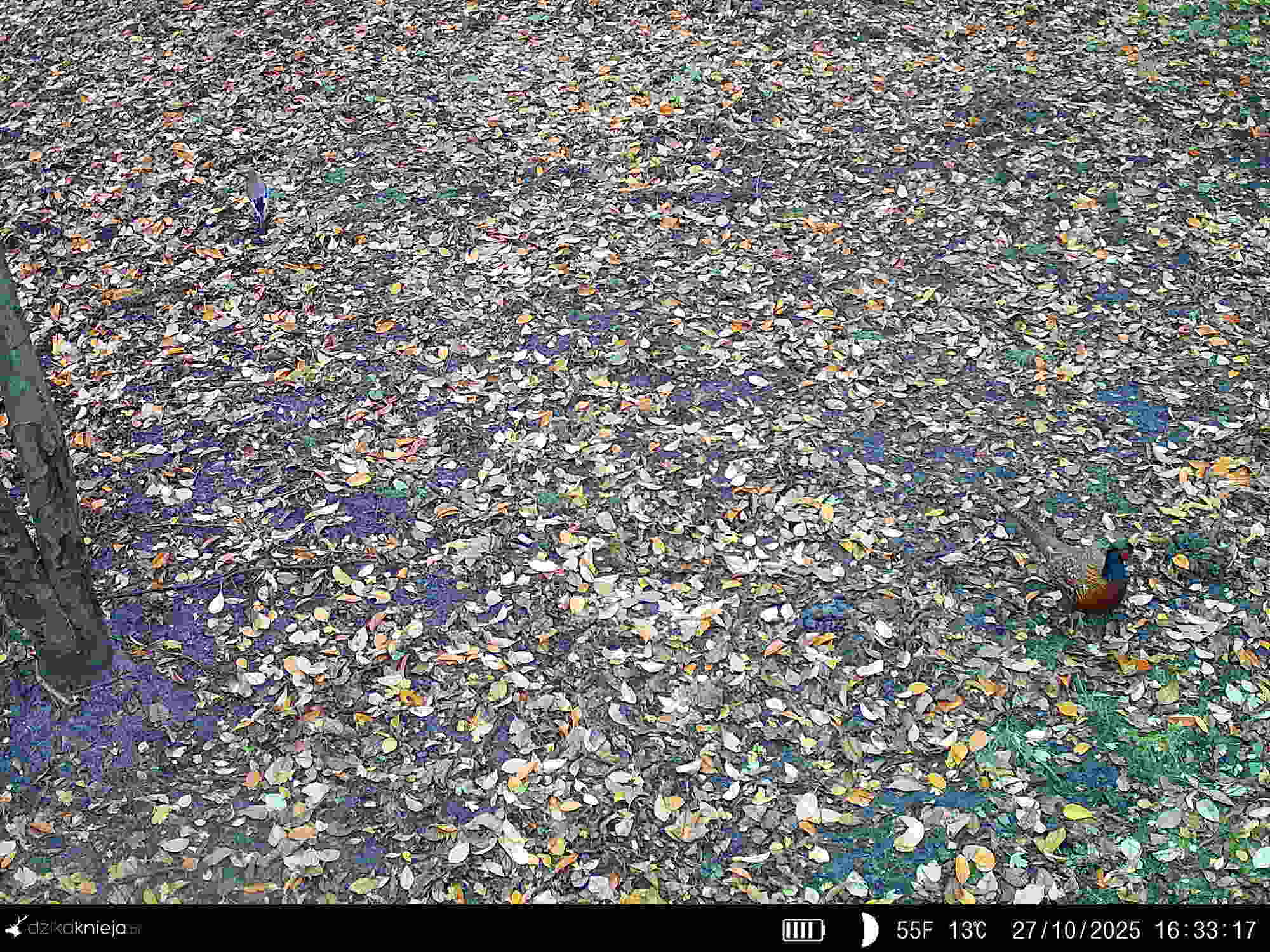
The avian fauna recorded in these areas further underscores their ecological significance. Observed species include the mallard (Anas platyrhynchos), common moorhen (Gallinula chloropus), common wood pigeon (Columba palumbus), rook (Corvus frugilegus), eurasian sparrowhawk (Accipiter nisus), western jackdaw (Corvus monedula), hooded crow (Corvus cornix), eurasian jay (Garrulus glandarius), eurasian magpie (Pica pica), common pheasant (Phasianus colchicus), and fieldfare (Turdus pilaris). Notably, the presence of the eurasian goshawk (Accipiter gentilis) was recorded — a species of high conservation value under strict legal protection in Poland.
Below, we present a selection of photographs capturing our co-habitants.