Publications
Krawczyk, A., Salas, B. O., & Grodzińska-Jurczak, M. (2025). Plastic Detectives Are Watching Us: Citizen Science Towards Alternative Single-Use-Plastic-Related Behaviour. Recycling, 10(1), 4. https://doi.org/10.3390/recycling10010004Abstract: The alarming increase in single-use plastic (SUP) consumption, exacerbated by the COVID-19 pandemic and its detrimental effects on environmental and public health, underscores the urgent need for the public to adopt more environmentally responsible behaviours. This study presents citizen science (CS) initiatives undertaken two years after the onset of the pandemic as an effective means to engage and mobilise citizens in reducing plastic consumption. It combines an inventory of CS actions targeting SUP with a self-designed and implemented CS project. Unlike the predominantly technical focus of existing initiatives, our ‘Plastic Detective’ project was designed to collect behavioural data related to SUP use. The majority of completed and ongoing CS projects addressing SUPs focused on beach clean-ups, which primarily involved reporting the distribution and composition of plastic litter. However, no initiatives were found to address consumer behaviour. CS activities were predominantly initiated in a bottom-up manner, largely coordinated by non-governmental organisations (NGOs), and were mostly confined to the Northern Hemisphere. In our project, volunteers were asked to observe, sample and categorise behaviours in their surroundings using a model that distinguished between SUP use and the adoption of alternative materials or practices. Additionally, participants’ perceptions of SUP were assessed through pre- and post-surveys. Our findings reveal that young people, in particular, are eager to participate in CS initiatives. Regardless of age, gender or location, all respondents—despite acknowledging the need to reduce SUP consumption—identified producers as the key group responsible for addressing plastic pollution. We conclude that CS can act as an effective knowledge broker between research and non-research communities, fostering behavioural change towards more sustainable practices. Moreover, CS initiatives can play a vital role in popularising scientific findings and influencing policy-making processes to promote environmentally friendly alternatives to SUPs.

Krawczyk, A., Jaguszewska, N., Ziółkiewicz, W., Grodzińska-Jurczak, M. (2023). The ivory tower of academia in the era of climate change: European scientists’ engagement in science popularization related to single-use plastics. Environmental Science & Policy, 146, 185-202.
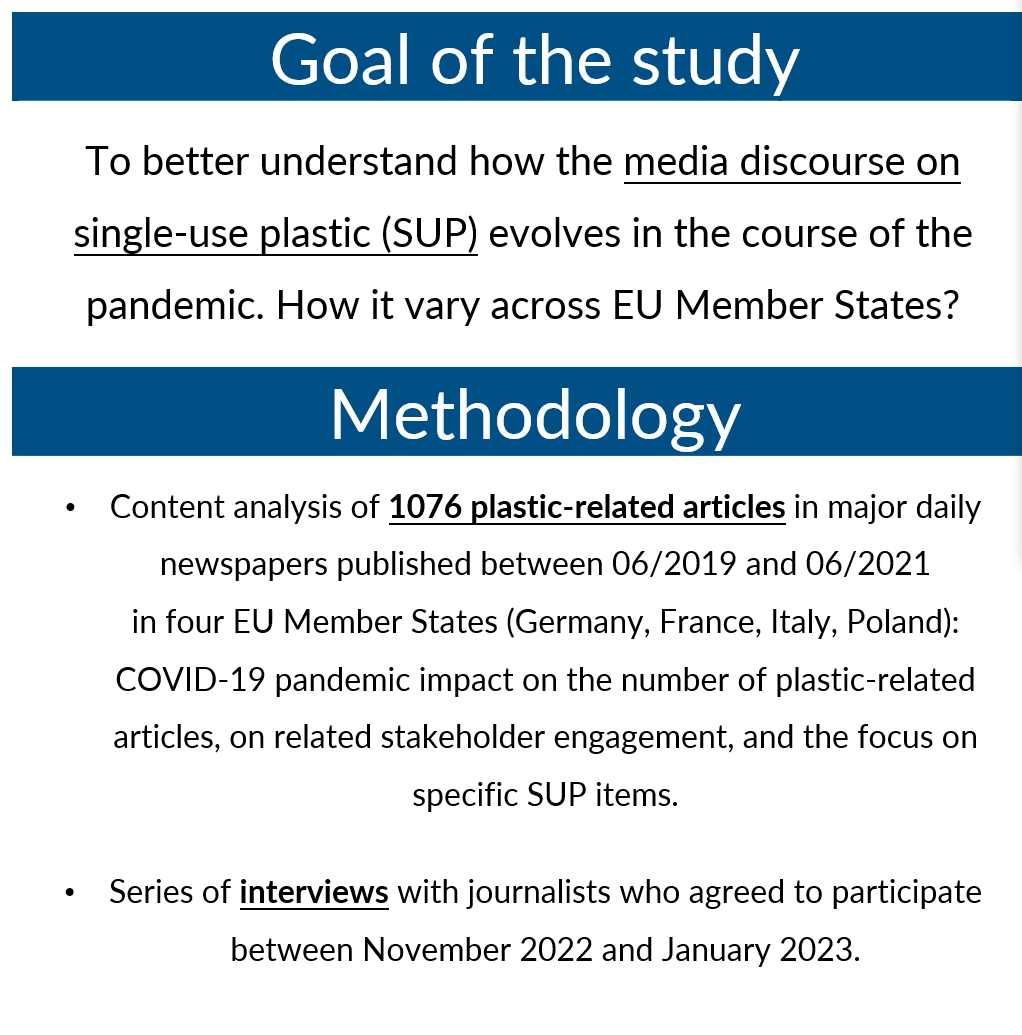
The research leaflet
:

Project Dissemination

14.4.2025: Eureka: Do Science Conferences Have to Mean Tons of Plastic? [in polish]: https://podcasty.polskieradio.pl/jedynka/audycje/eureka,5098/odcinek/czy-konferencje-naukowe-musza-oznaczac-tony-plastiku-co-nas-czeka-podczas-misji-kosmicznej-ignis-nowa-metoda-odzyskiwania-pierwiastkow-ziem-rzadkich,65a6d32b-20d5-44a1-962a-a36af2da99e1
Expert on plastic: you don't have to go through treatment, you should remember to reduce (original article in polish):
If someone doesn't have time, space in the world, let them not check their health - theirs and their family's, using the available packaging. If ten plastics, as packaging, are very similar to what is inside - it can be parsley, parts of meat - then there is really no way not to go to this particular product - says Prof. Małgorzata Grodzińska-Jurczak, a biologist from the Institute of Environmental Sciences at the Faculty of Biology of the Jagiellonian University.
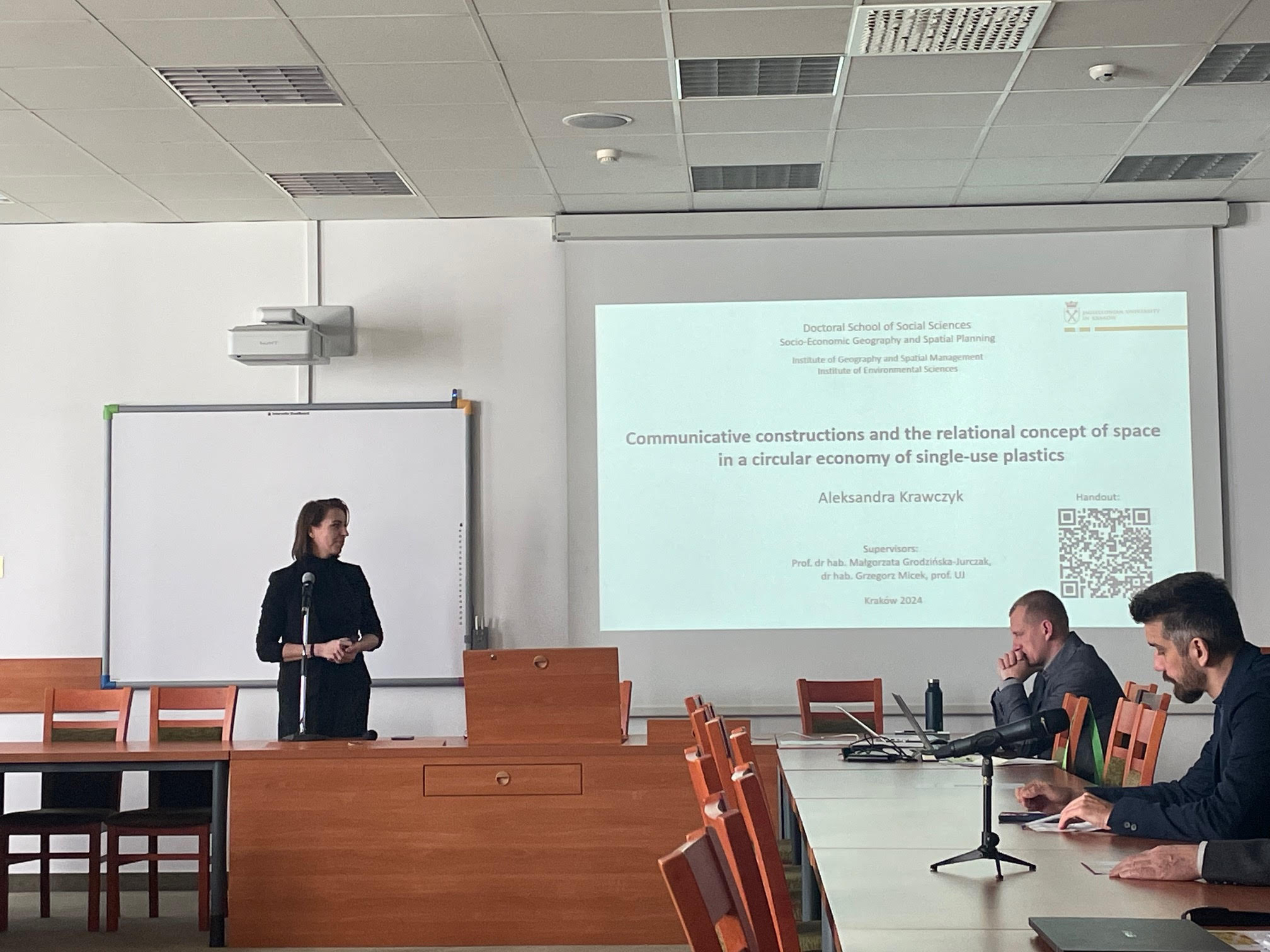
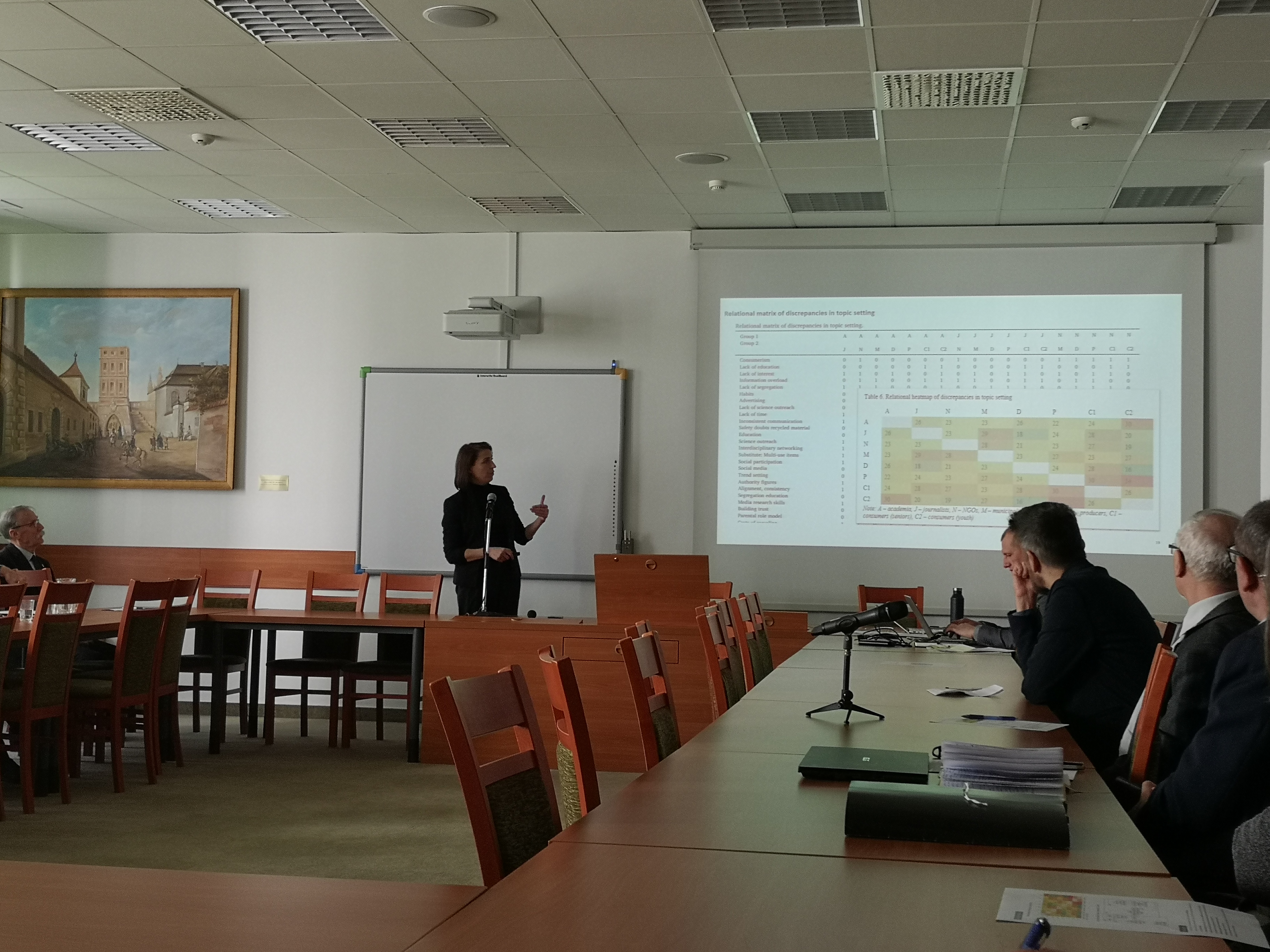
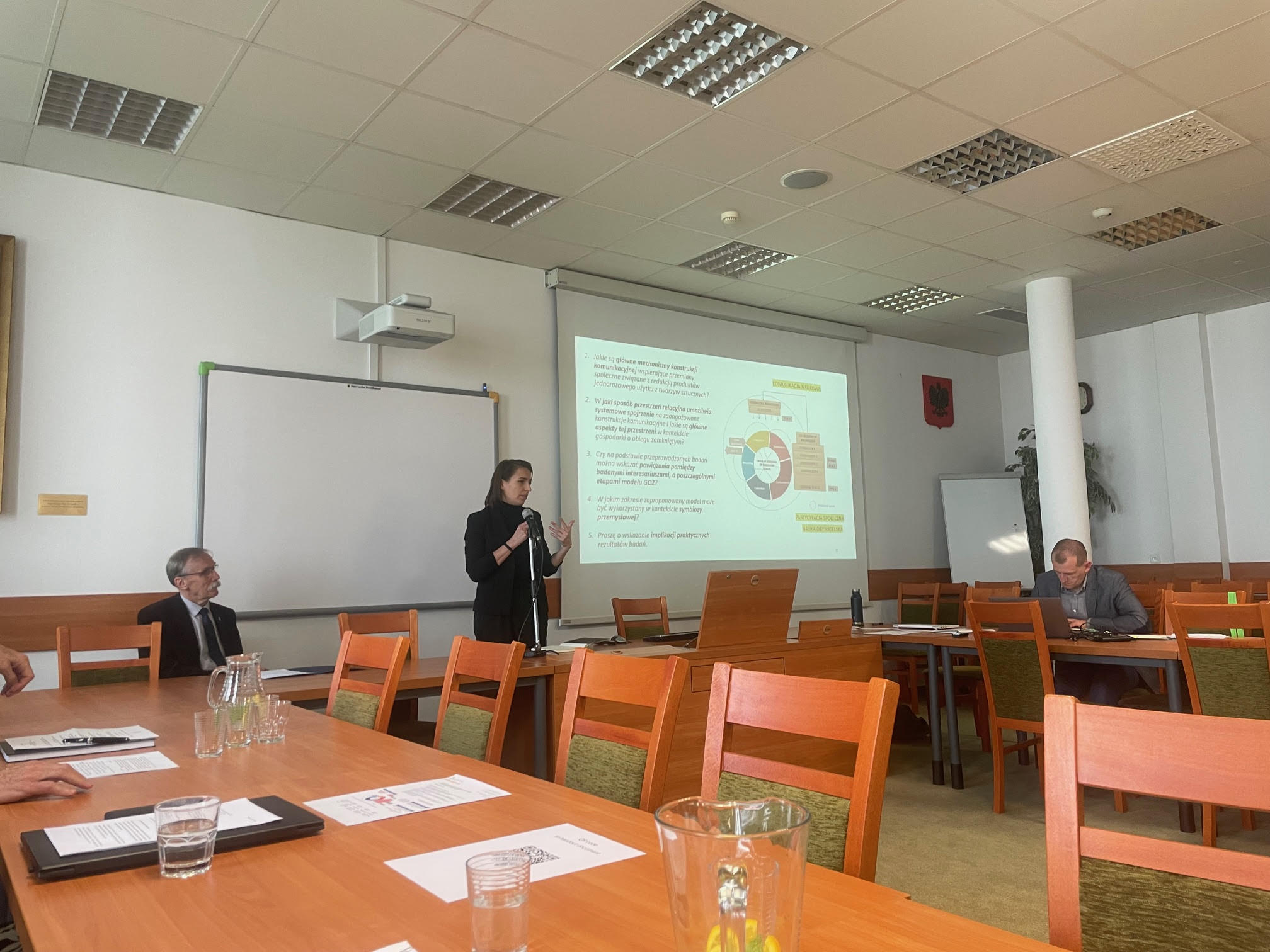
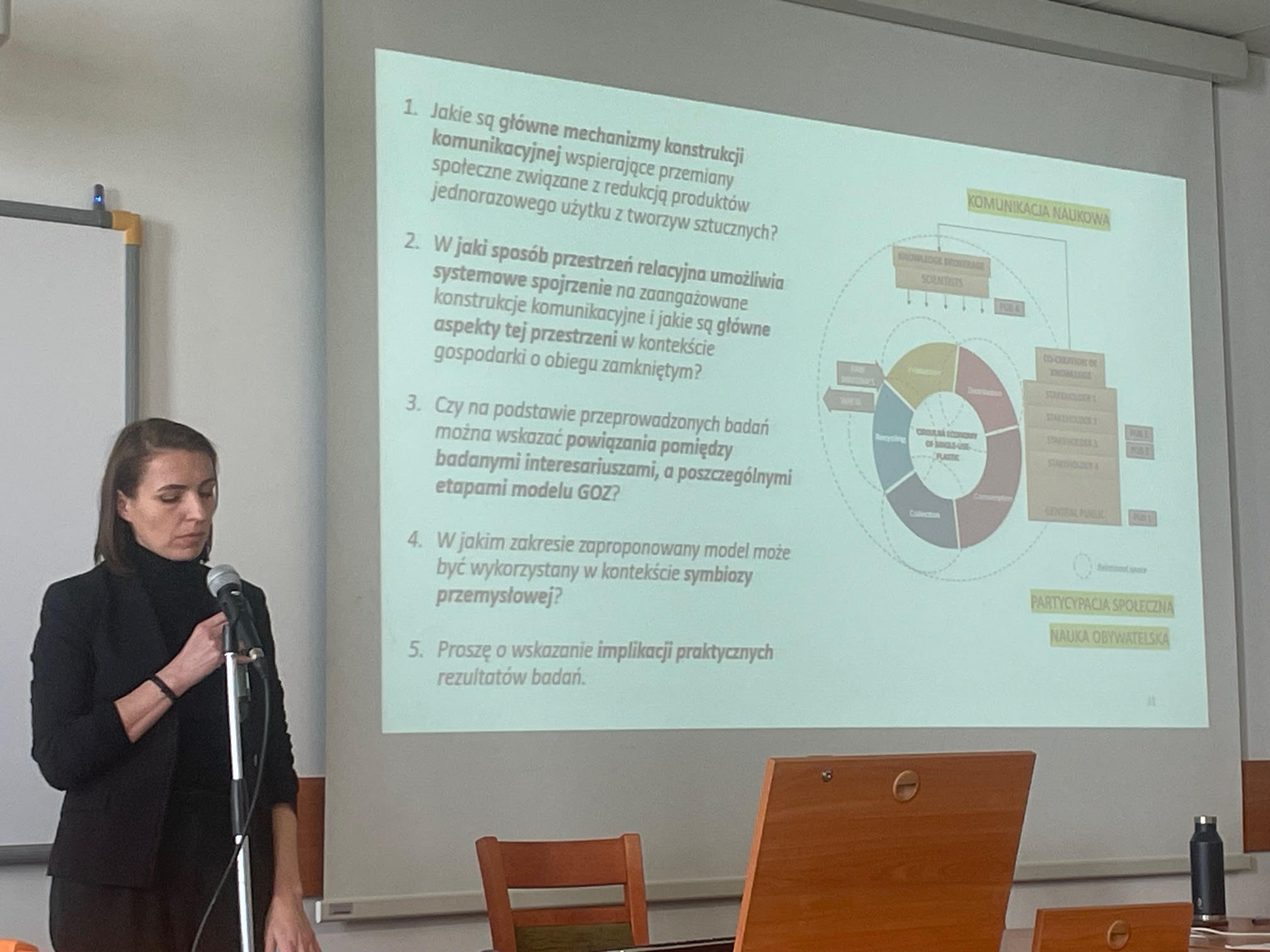
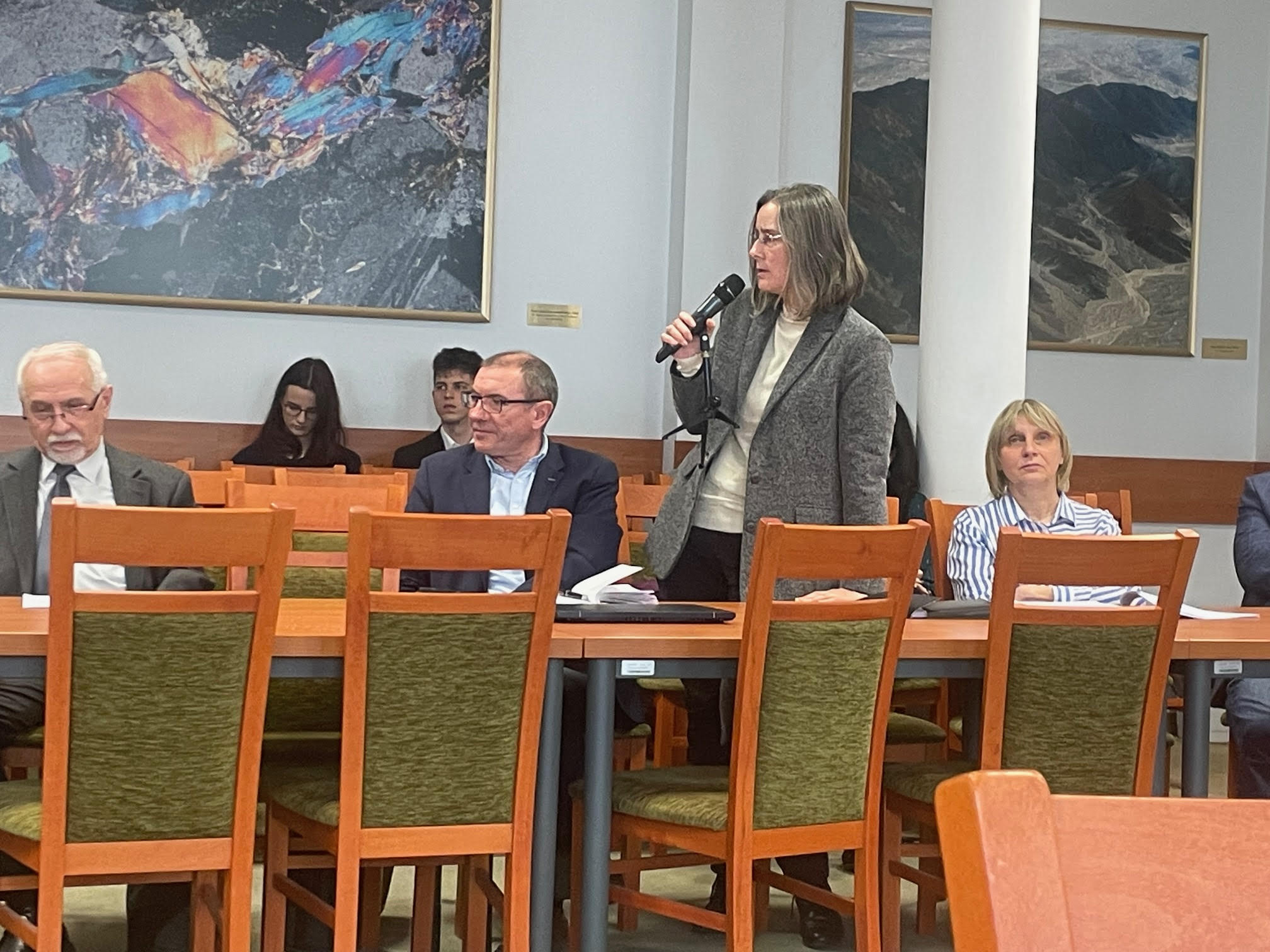
- Photogallery from the seminar of the Institute of Environmental Sciences on 18.01.2024
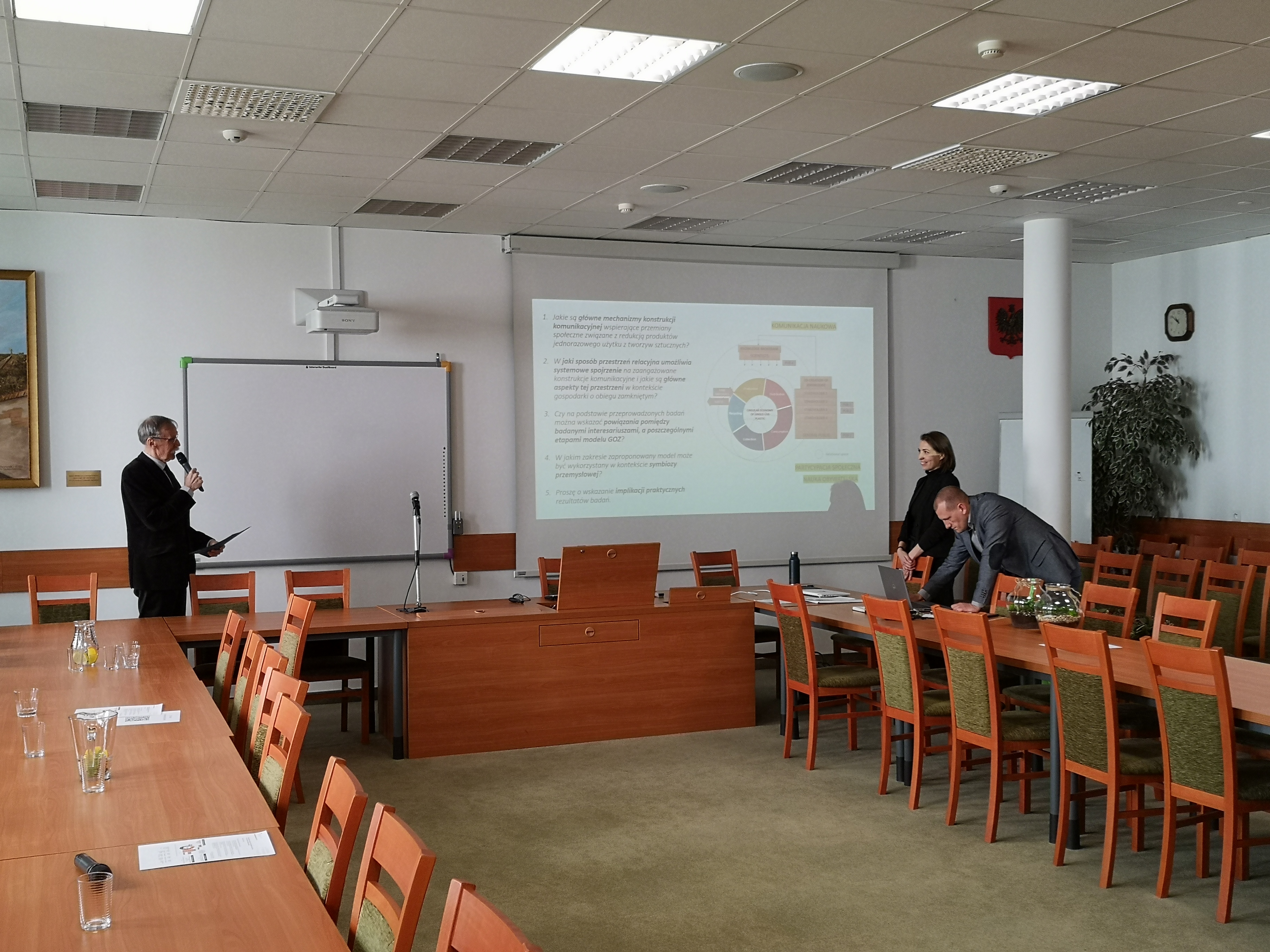
- presentation by Aleksandra Krawczyk, MSc, entitled "Communicative constructions and the relational concept of space in a circular economy of single-use plastics".


- Podcast "Eko bez Kantów" – interview with Prof. Grodzińska-Jurczak, November 22nd, 2024.


Academic Degree
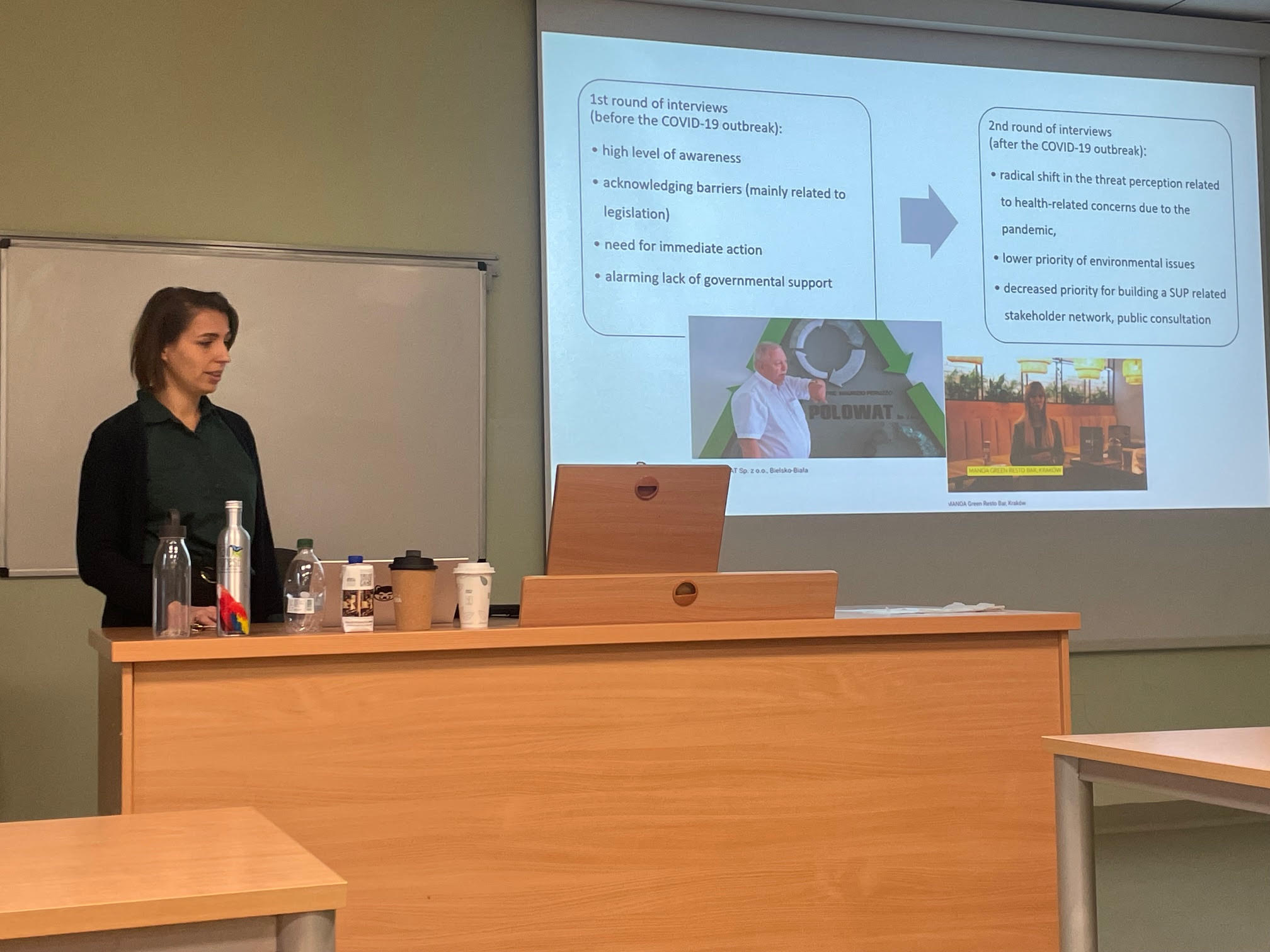
On 4 April 2024, the defence of the project-based doctoral thesis by Aleksandra Krawczyk "Communicative constructions and the relational concept of space in a circular economy of single-use plastics" took place in Krakow. The Doctoral Committee unanimously adopted a resolution to apply to the Jagiellonian University's Discipline Council for "Socio-Economic Geography and Spatial Management" to award the doctoral degree. Congratulations! We invite you to view the photographic documentation of the ceremony (photogallery 2).Gamification
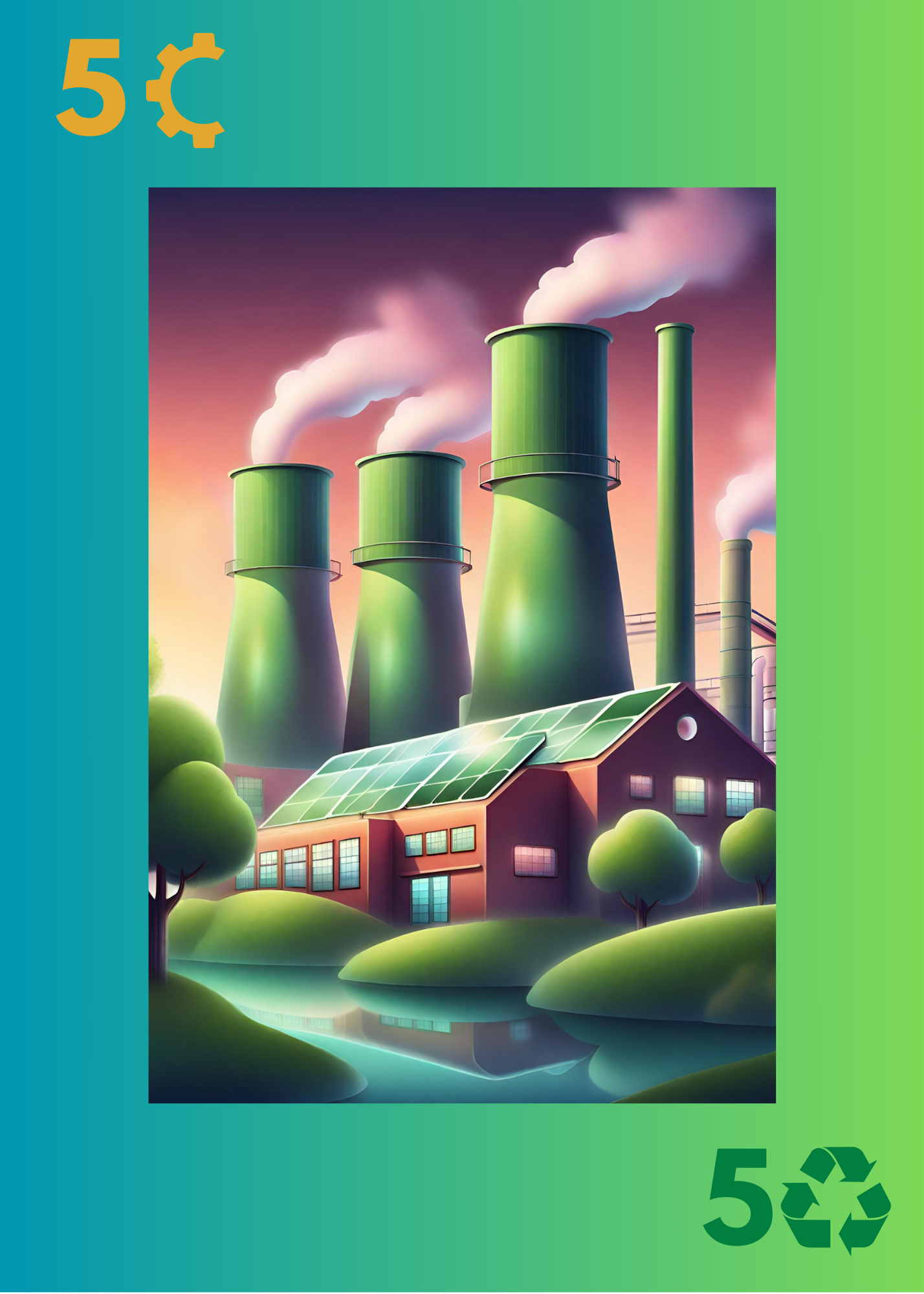
We invite you to participate in the gameplay of an innovative game created by Dawid Rostanowski, MSc. We will keep you updated on related research and results!


.jpg)
.jpg)